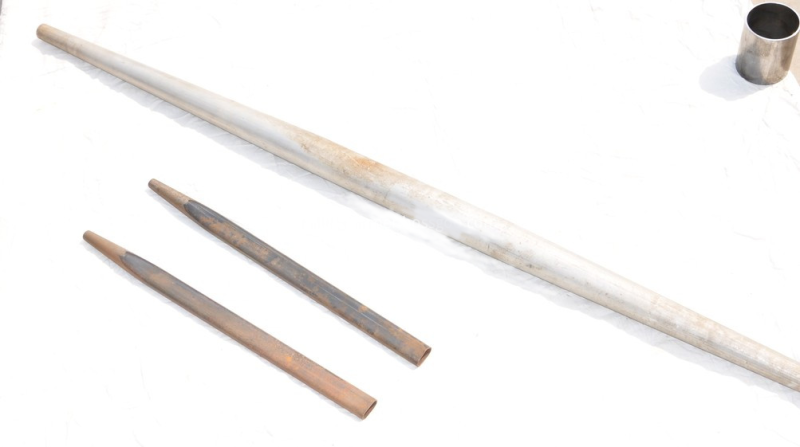
Pipe Tapering Machine ZSG50NCB — Cone End Forming
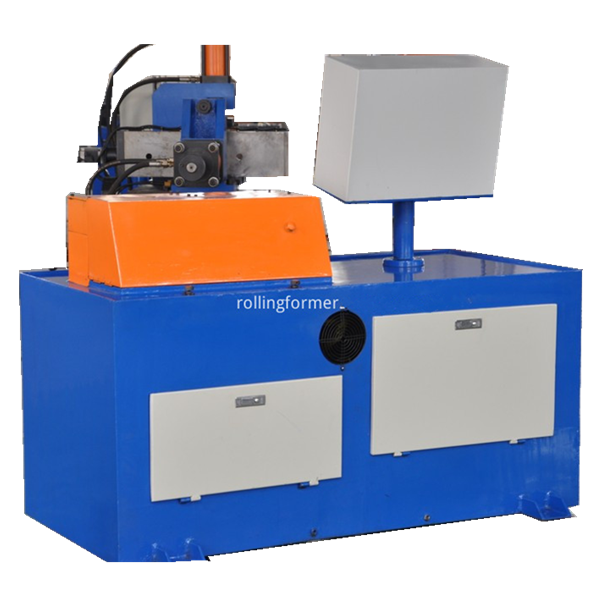
A pipe tapering machine forms a cone or taper on a steel tube end. ZSG50NCB is published for tube up to 50 x 2 mm, 300 mm forming length, 7-30 s cycle, 4 kW.
5posts
Machines that work the end of a tube rather than its length: taper and cone forming, diameter reducing and expanding, end closing, and special end profiles. If a part has to plug into a socket, weld down to a smaller line, or finish with a closed end, it passes through one of these machines after cutting and bending.
A pipe tapering machine forms a cone or taper on a steel tube end. ZSG50NCB is published for tube up to 50 x 2 mm, 300 mm forming length, 7-30 s cycle, 4 kW.
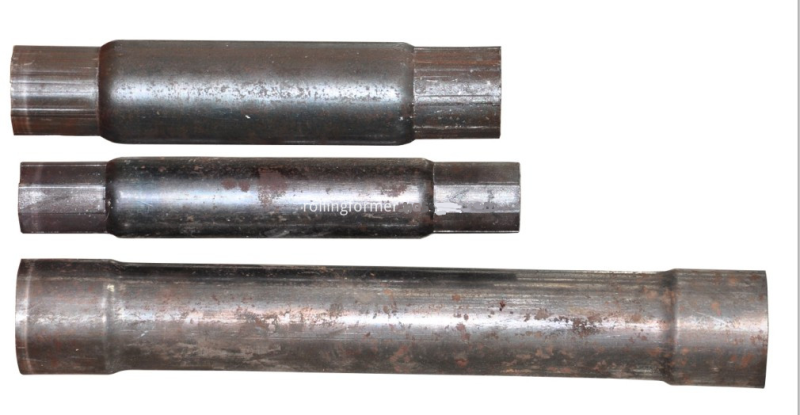
The C Type machines are designed for common end forming applications including tube expansion, tube tapering, reduction and slotting.
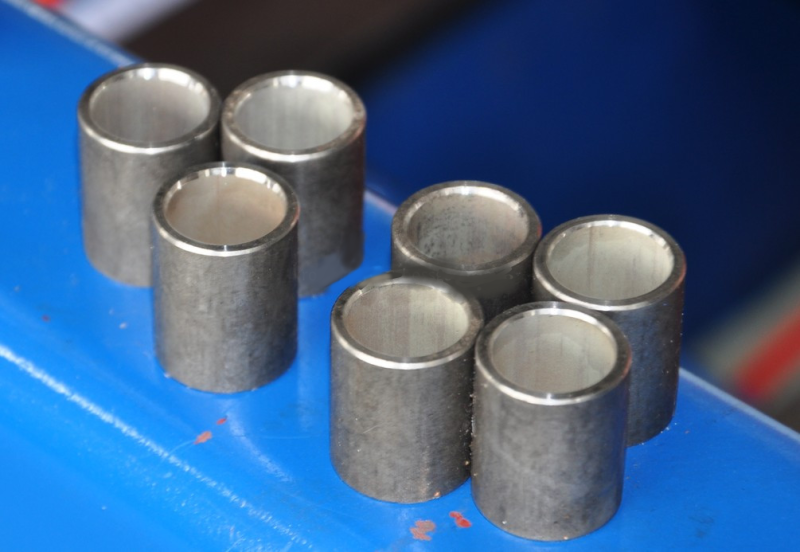
The portable chamfering machine hand chamfering machine is used to chamfer the iron tube with a correct and nice angle.
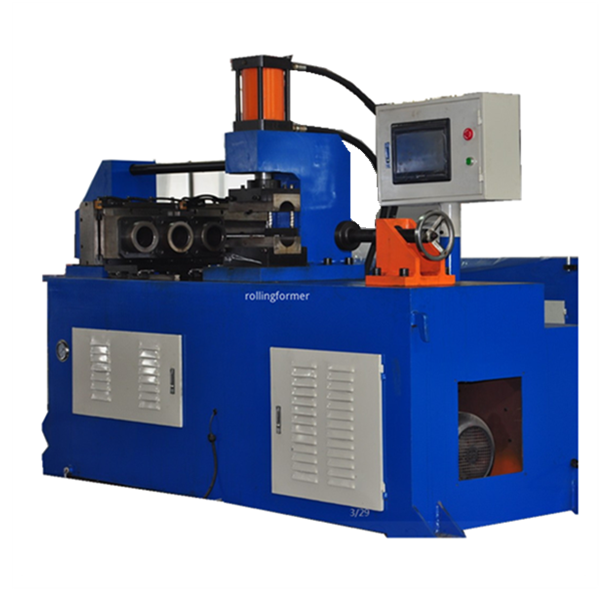
A tube reducer forms a smaller, larger or closed end on steel tube. Three stations, 16-165 mm with custom tooling, 110 mm forming length, 5-6 s cycle.
Tube closing machine for pipe end locking on 6-25.4mm tube with 0.5-2.0mm wall: hydraulic forming heads close tube ends without welding or sleeves.
The three operations are easy to confuse because one hydraulic head often does all of them, with different tooling. Tapering works the end into a cone. Reducing brings it to a smaller parallel diameter. Closing folds the end shut. The operation is decided by the joint at the next station, not by the machine — so the first question to a supplier is what the finished end has to mate with, not which model to buy.
In practice that means sending three things: tube outside diameter and wall thickness, the length of the formed section, and a drawing of the finished profile. The published forming length on the machines listed here runs from 110 mm on the three-station tube reducer to 300 mm on the ZSG50NCB taper former, and that number is usually the one that rules a machine in or out.
End forming is a finishing operation: the tube is cut to length, bent if the part needs it, and only then does the end get formed. That is why these machines are normally bought alongside a cutting machine and a bending machine rather than on their own — the formed end has to survive whatever the previous operation left behind.
Cycle time is the other constraint. A single-station head taking 7–30 s per end sets the pace of the whole cell, so a part with two formed ends is quoted at roughly twice the cycle before anyone discusses extra tooling or a second station.