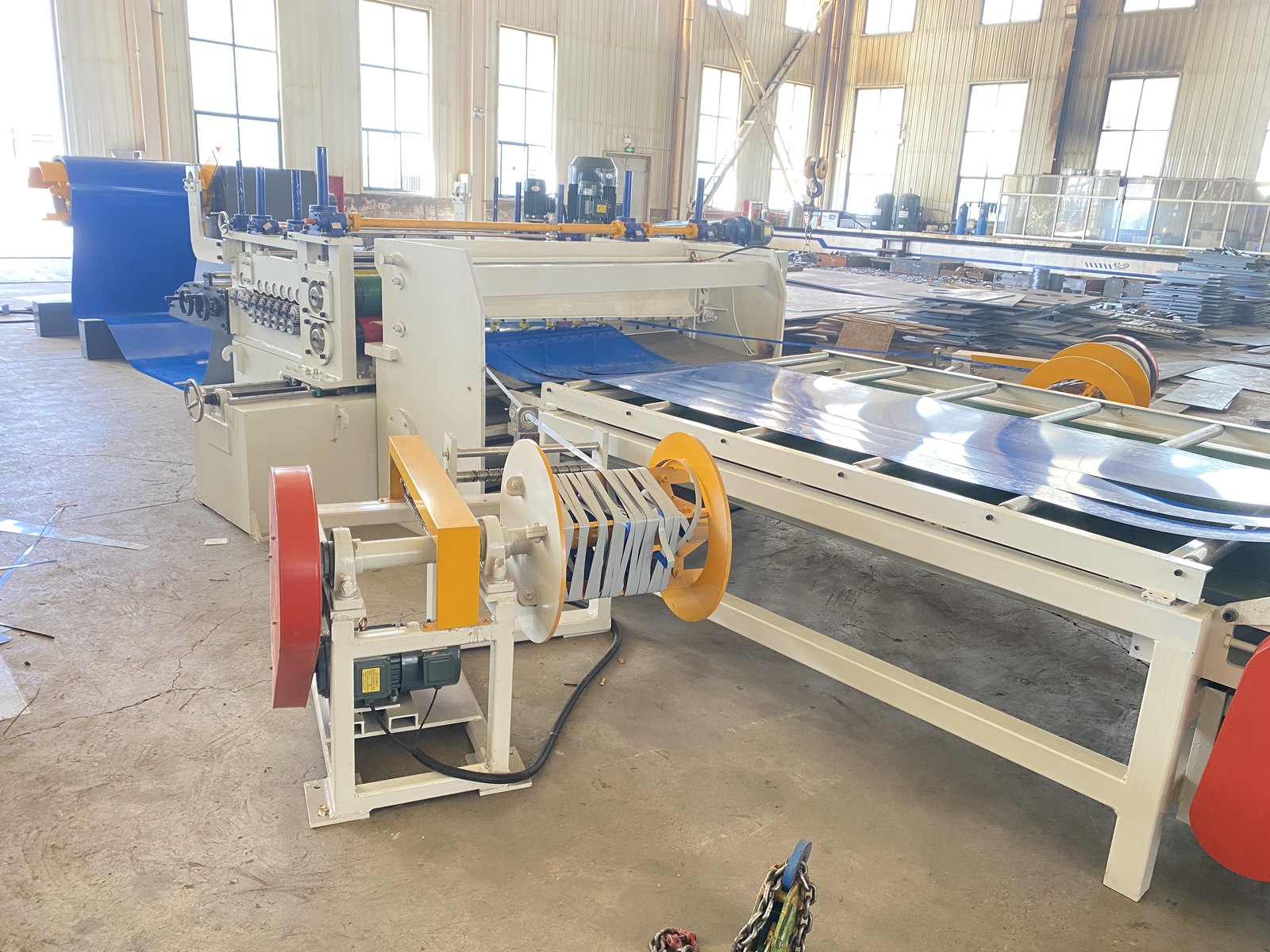
Steel Coil Slitting Line for 0.3-4.0 mm Coil — 1250 mm and 1600 mm
A slitting line cuts one wide steel coil into several narrow strips of a set width and recoils them under tension.
5posts
Coil handling and coil conversion equipment: uncoilers and decoilers that pay strip into a line, slitting lines that cut one wide coil into narrow strips, and cut-to-length lines that turn coil into flat sheet. These machines sit upstream of tube mills, roll forming lines and press lines — wherever the incoming coil width or form does not match the finished part.
A slitting line cuts one wide steel coil into several narrow strips of a set width and recoils them under tension.
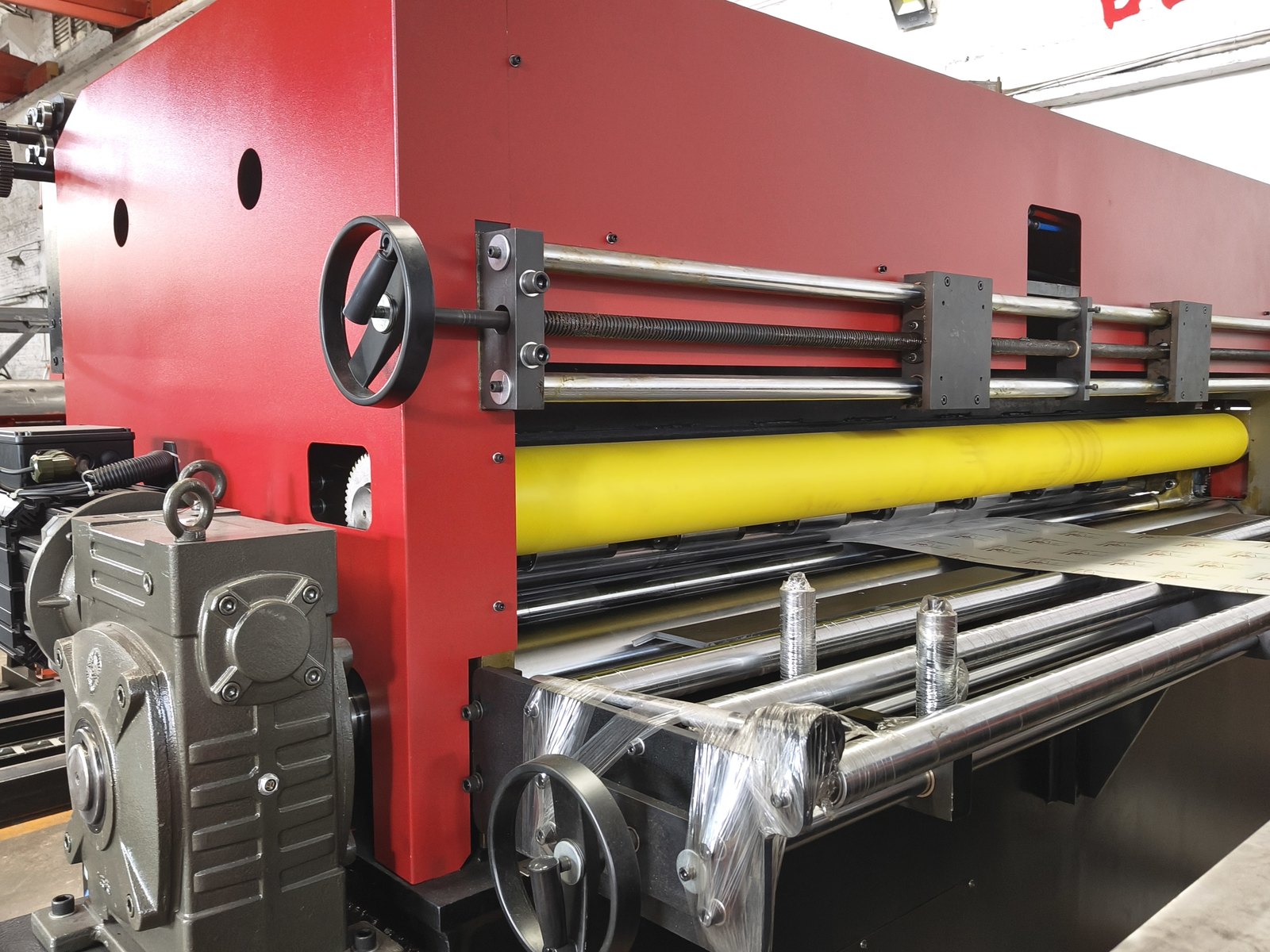
A cut-to-length line for aluminium coil up to 2600 mm wide and 1.5 mm thick: 15-roll four-high leveller, 4000 mm cut length and a 5 t decoiler with loading car.
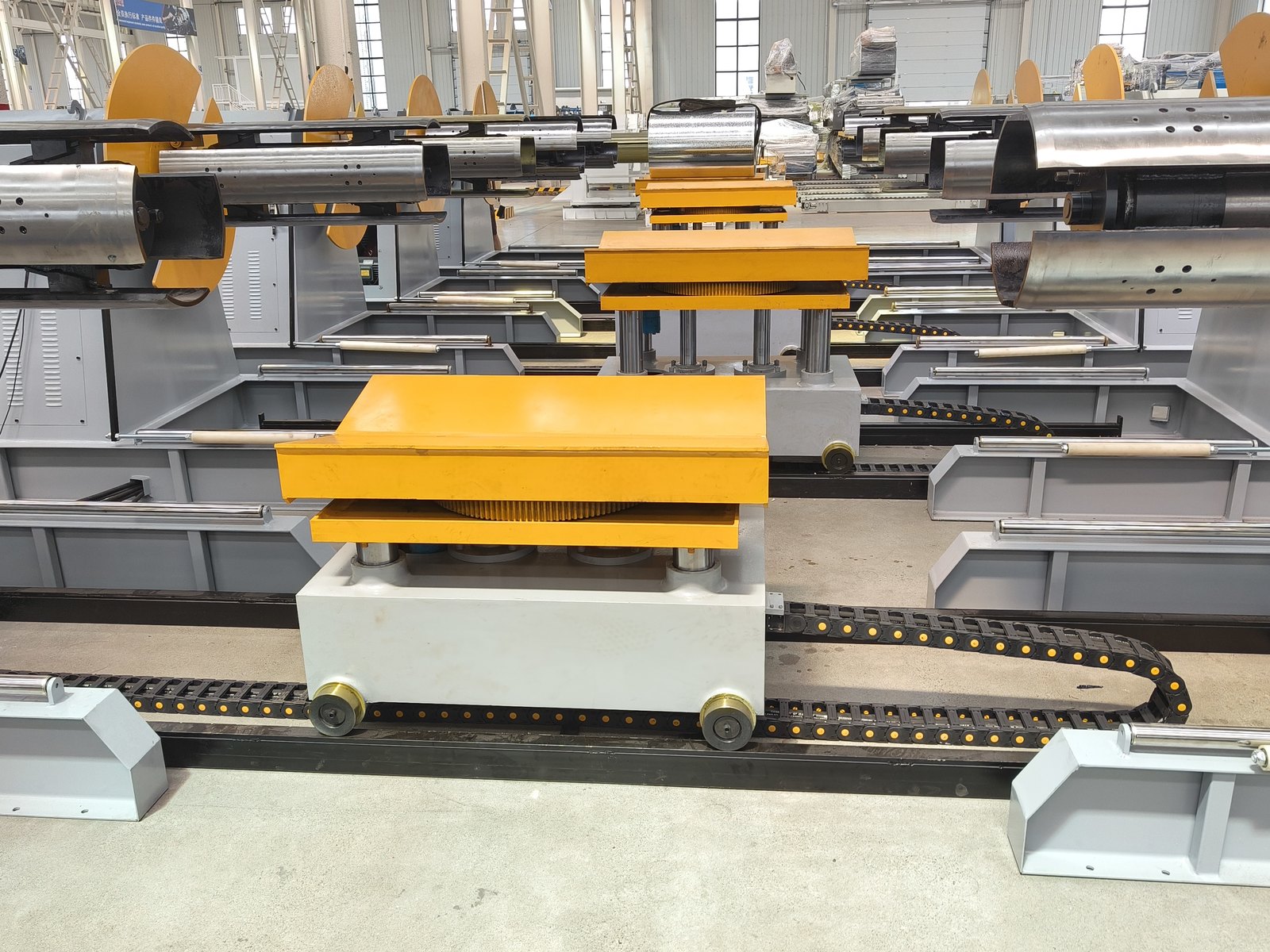
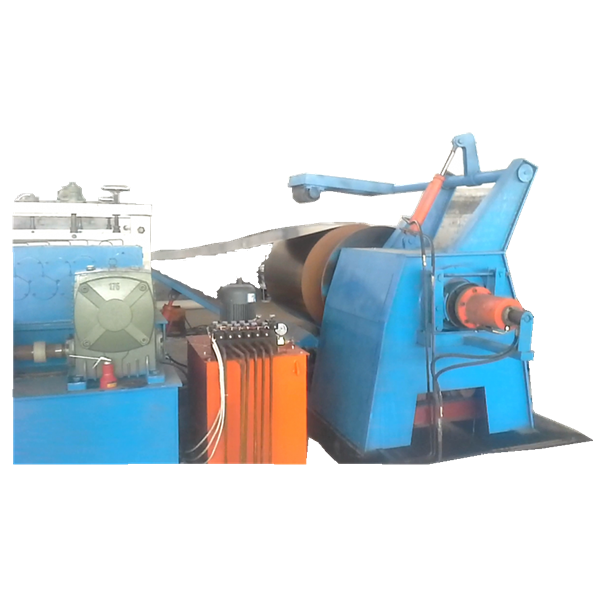
A 7 t hydraulic decoiler with its own loading car: expanding mandrel from 450 mm to 610 mm, coil up to 1250 mm wide and 0.4-1.0 mm thick, working speed 0-40 m/min.
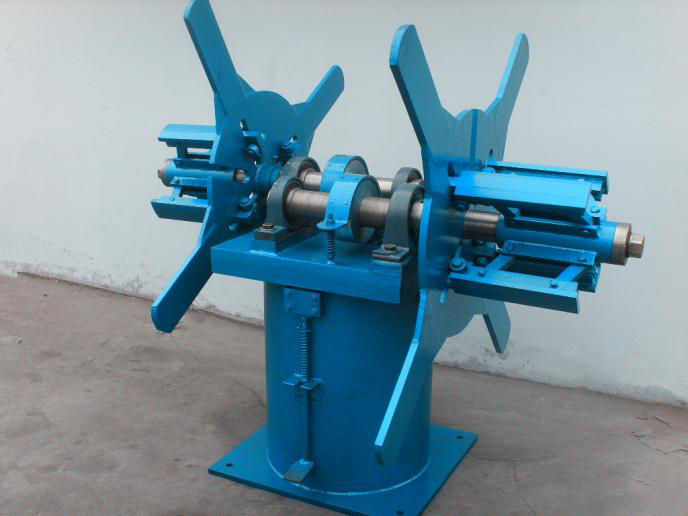
Operate: To put coil on the decoiler and then mandrel will expend by pneumatic system and fix the coil on the mandrel.
By cutting to length machine, we can make special length sheet from the coil no matter, color steel coil, glazined or iron.
A decoiler only pays coil into a machine: it carries the coil, holds tension and keeps the strip square. A slitting line adds a slitting head and a recoiler, so one wide coil becomes several controlled-width strips. A cut-to-length line adds a leveller and a shear, so coil becomes flat sheet at a fixed length. Buying the wrong one is the most common mistake in this group — a decoiler cannot slit, and a slitting line does not flatten.
Four numbers decide the machine: coil width, strip thickness, coil weight and coil inner diameter. The published limits on this site run from 0.3 mm to 4.0 mm strip thickness, coil width up to 1600 mm on the steel slitting line and 2600 mm on the aluminium cut-to-length line.
Coil weight sets the decoiler, the mandrel expansion and the loading method. A 7 t coil on a 450–610 mm expanding mandrel with its own loading car is a different purchase from a light mandrel decoiler, and the difference shows up as coil-change time per shift rather than in the specification sheet.
Width is the other half of the decision. If the mill delivers 1250 mm coil and the finished strip is 180 mm, slitting decides the yield — the strip layout, not the line speed, is what you are really buying.