Slitting or Cut-to-Length? Choosing Coil Line Equipment
Slitting lines cut coil into narrow strip; cut-to-length lines turn coil into flat sheet. Which one you need is decided by the shape you sell, not by the machine.
11posts
Working notes on tube making: how welding methods compare with each other, what gets checked before a line leaves the factory, and the practical details that decide a specification. Written for buyers and engineers rather than for search engines.
Slitting lines cut coil into narrow strip; cut-to-length lines turn coil into flat sheet. Which one you need is decided by the shape you sell, not by the machine.
A buying guide for welded tube mills: how the diameter band, wall thickness, line speed, cut-off and coil handling interact, and which number actually decides the machine.
Buying a tube mill is not like buying a standard product. The machine is built to your specification, it is too large to return.
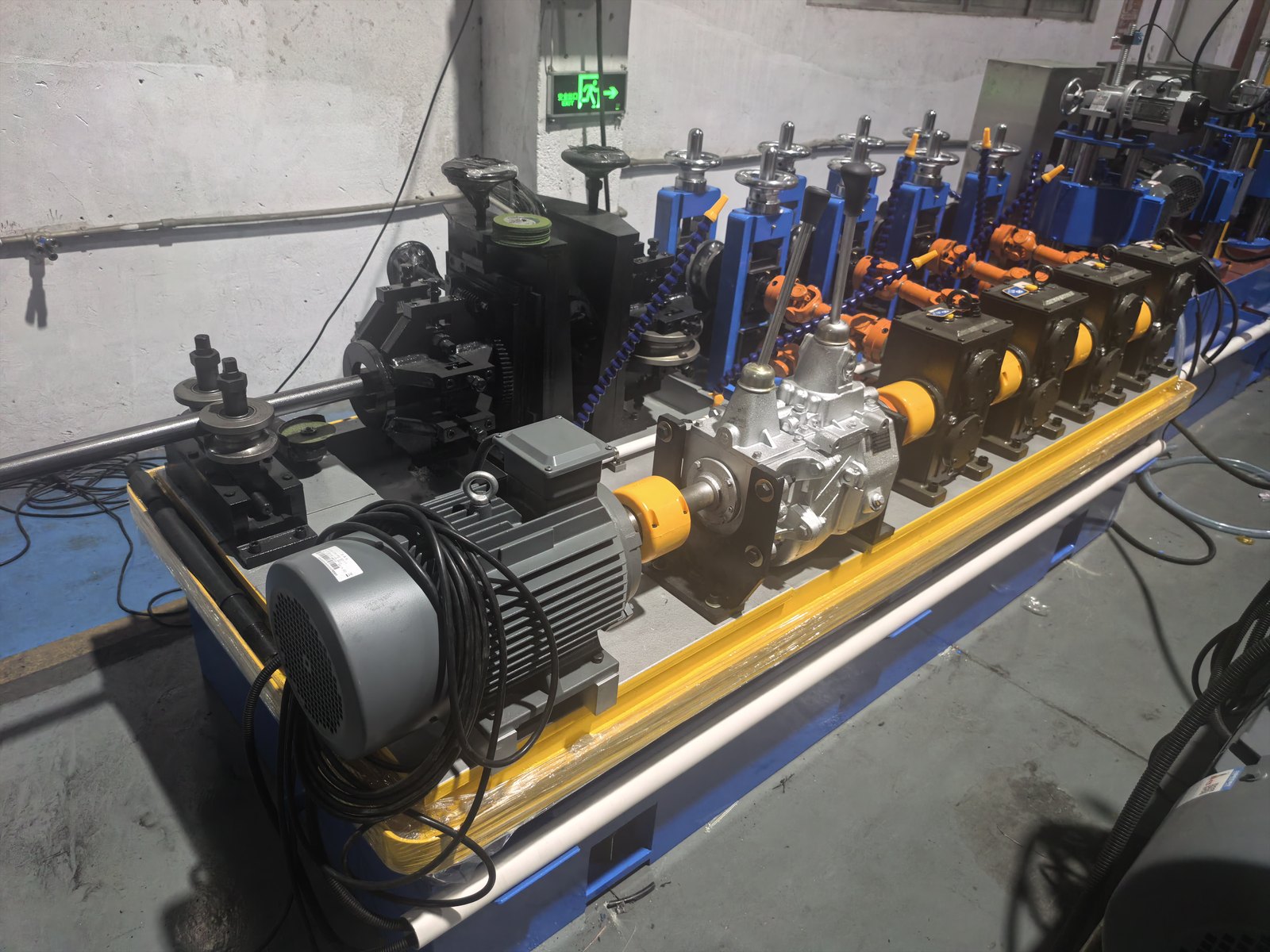
High-frequency (HF) induction welding has been the standard way to close the seam on an ERW tube mill for decades.
In terms of use, with the improvement of the quality of welded seams and the reliability of non-destructive testing.
In general, the development of high-frequency welded pipe units must comply with the safe operating procedures.
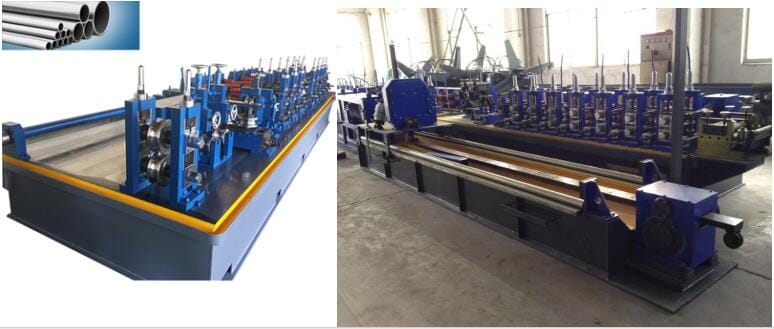
Tube mill maintenance: follow the operating procedures, check the line before start-up, and keep lubrication and cleaning on schedule.
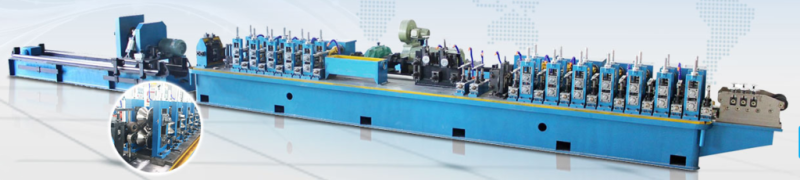
Compared with seamless pipes, the high-frequency welded pipe equipment has the characteristics of strong continuity, high efficiency and low cost.
Operation and maintenance guide for high-frequency welded pipe mills: start-up checks, lubrication points, flying-saw adjustment and roller frame settings.
Reasons: 1. There is no match between output power, pressure and speed.
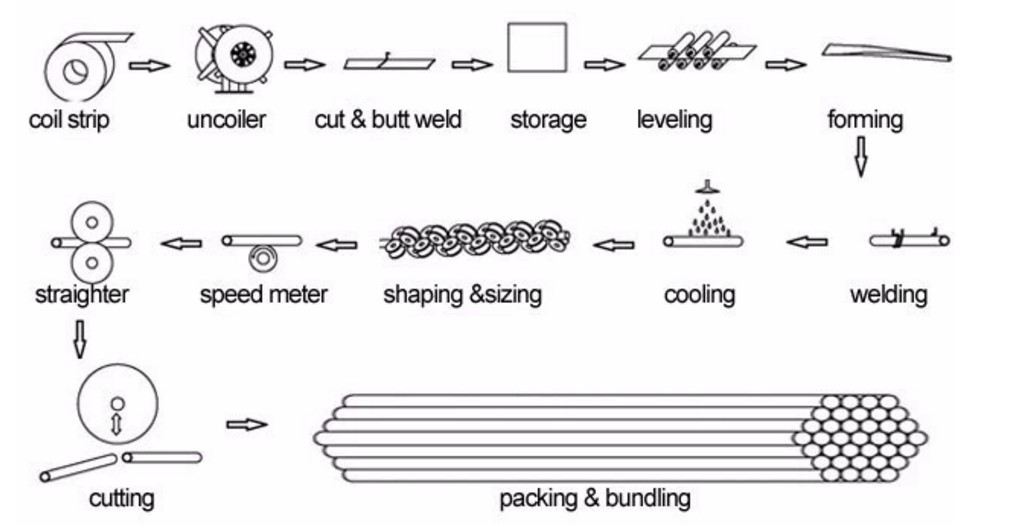
High frequency welding, which is a new welding process that uses the skin effect and adjacent effect generated by high-frequency current to connect steel.