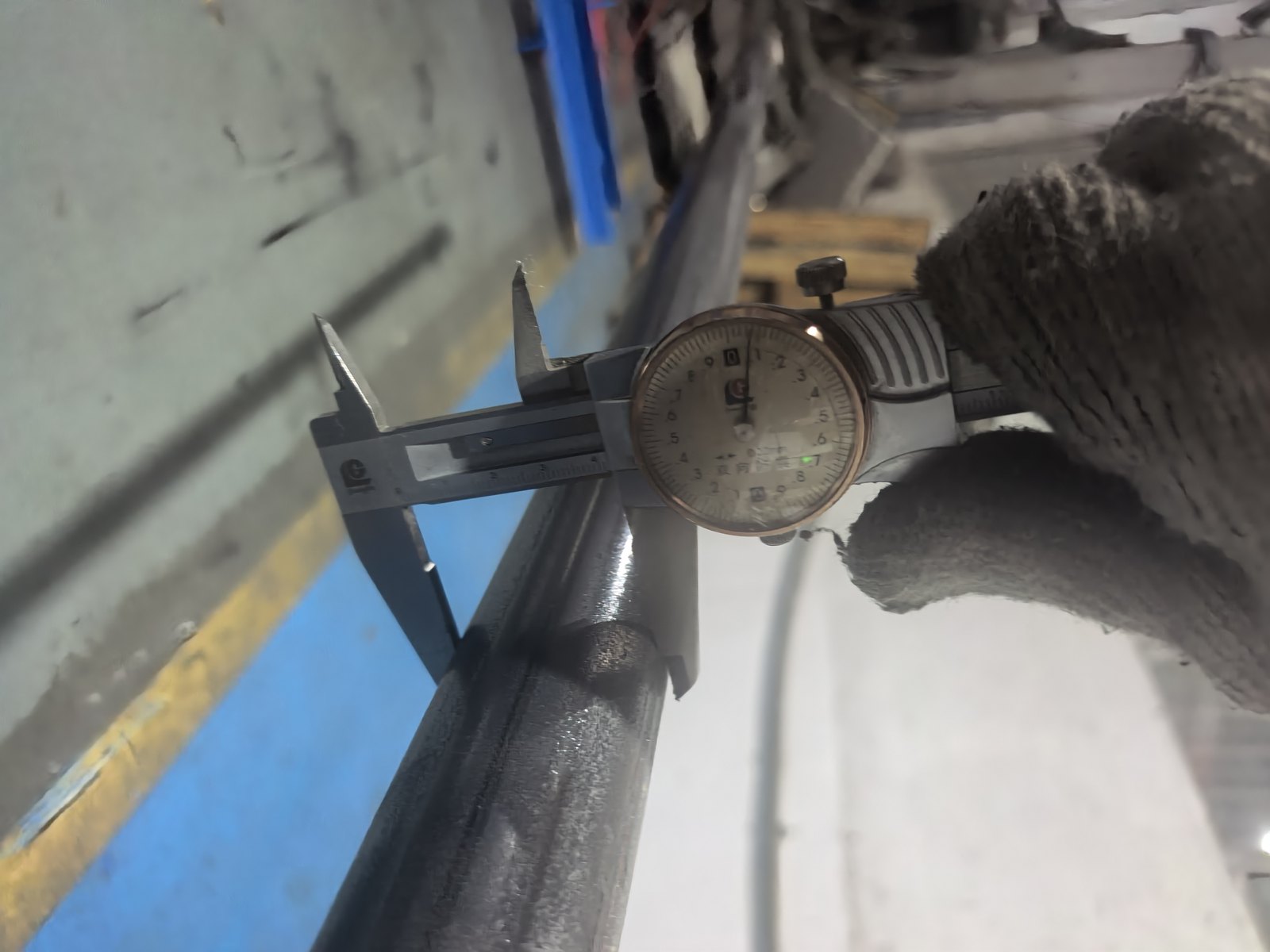
Buying a tube mill is not like buying a standard product. The machine is built to your specification, it is too large to return, and by the time it reaches your plant it has crossed an ocean in a container. So the inspection that happens *before* it is packed carries most of the risk.
This is the sequence we work through, and it is also a reasonable checklist for a buyer to hold a supplier to.
1. Dimensional check on the actual parts
The first thing checked is the thing you specified. Tube mill forming rolls and finished tube samples are measured with calipers and gauges during assembly and again before packing. On a tube mill that means the forming roll profile, the turks-head and sizing roll bores, and the tube outside diameter against the tolerance on the order.
The important detail is when it is checked. Measuring at the end, after the machine is packed, is too late. Measuring during assembly means a roll that is out of profile can still be corrected.
Ask for: dimension records with the actual measured values, not a signed declaration that the dimension is correct.
2. Weld quality, on the run-out side
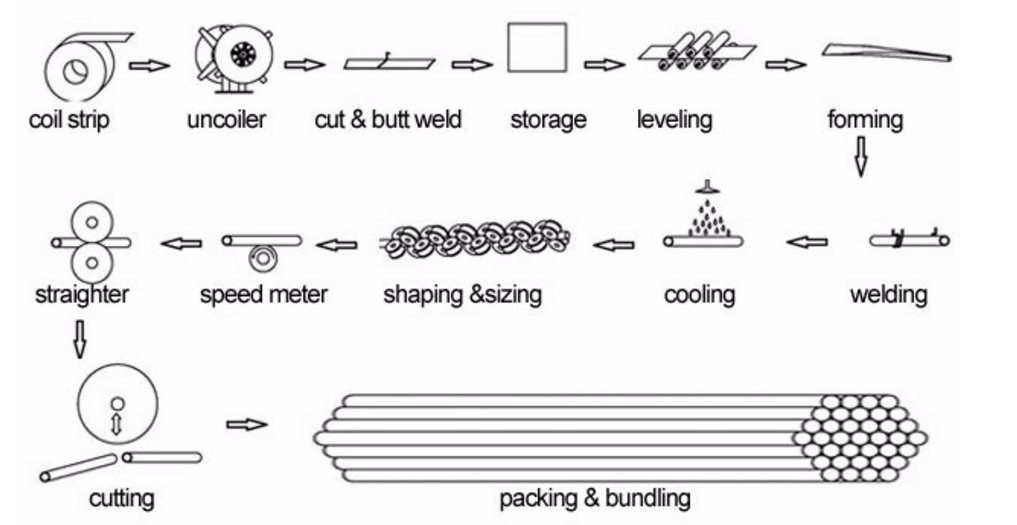
On a tube mill the weld is checked on the run-out side where the tube has been sized and cooled. This is where the weld bead is inspected and where the tube is checked for straightness. If a scarfing or zinc replenishing unit is fitted, its operation is confirmed at the same time, on the same strip.
Ask for: a run test on your material, not on whatever happens to be on the floor.
3. Nameplate, model and serial number
Every machine carries a nameplate with the model and serial number. This is the machine's identity for the rest of its life — it is what a spare parts order references, and it is what a warranty claim references.
It is worth photographing the nameplate at inspection and keeping the photo with the shipping documents. On a multi-machine order this is how you confirm that the unit which arrived is the unit that was inspected.
Ask for: a photo of the nameplate, legible, with the serial number readable.
4. Electrical and control verification
The control system is checked as a system, not component by component:
- Line interlocks and fault alarms respond correctly
- Emergency stop operates the whole line
- Overload and circuit-breaker protection are set
- Process parameters can be preset and are retained
- Key machine parameters read correctly on the HMI
- The HMI language is the one you asked for
On a line controlled from a single console — shearing speed, coiling tension, length setting, single-machine adjustment and full-line automatic running — this is also the point where those functions are demonstrated.
Ask for: a video of the run test with the HMI visible.
5. Colour and finish
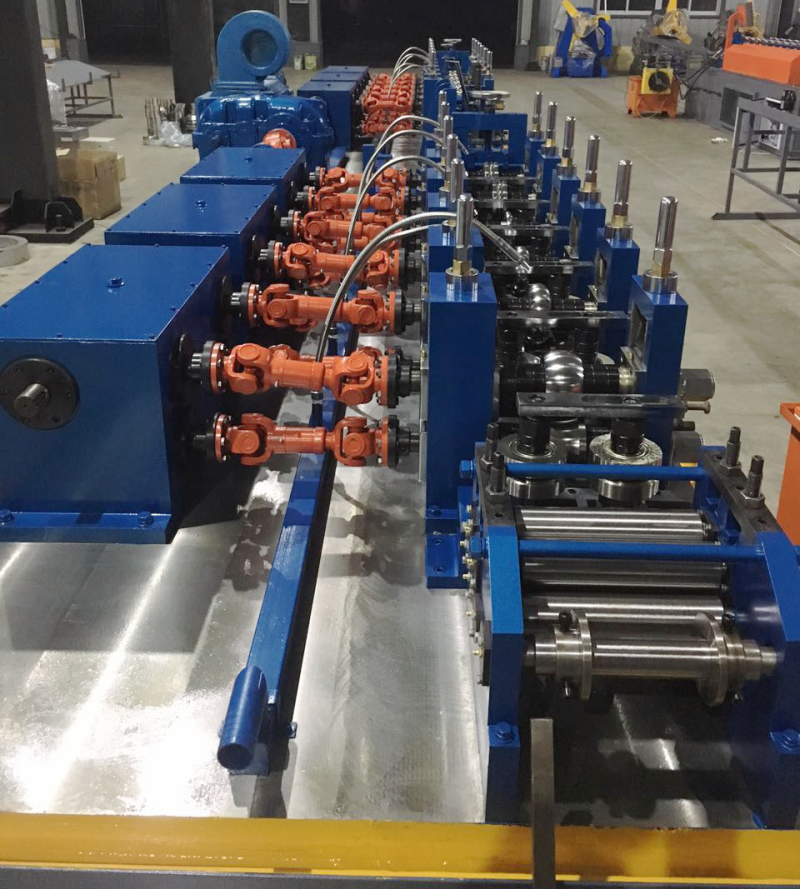
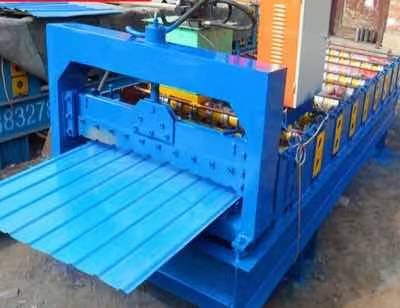
Body colour sounds trivial until a machine arrives in the wrong one. Colour is specified on the order and confirmed before painting, and accent colours are specified separately from the main body colour. On our own lines the common combination is a blue body with yellow accents, but it is a customer choice, not a default.
Ask for: photos of the painted machine before packing, not after.
6. Packing
Packing is where machines get damaged. The checks that matter:
- Anti-rust treatment on machined surfaces
- Wrapping on assemblies that must not be scratched
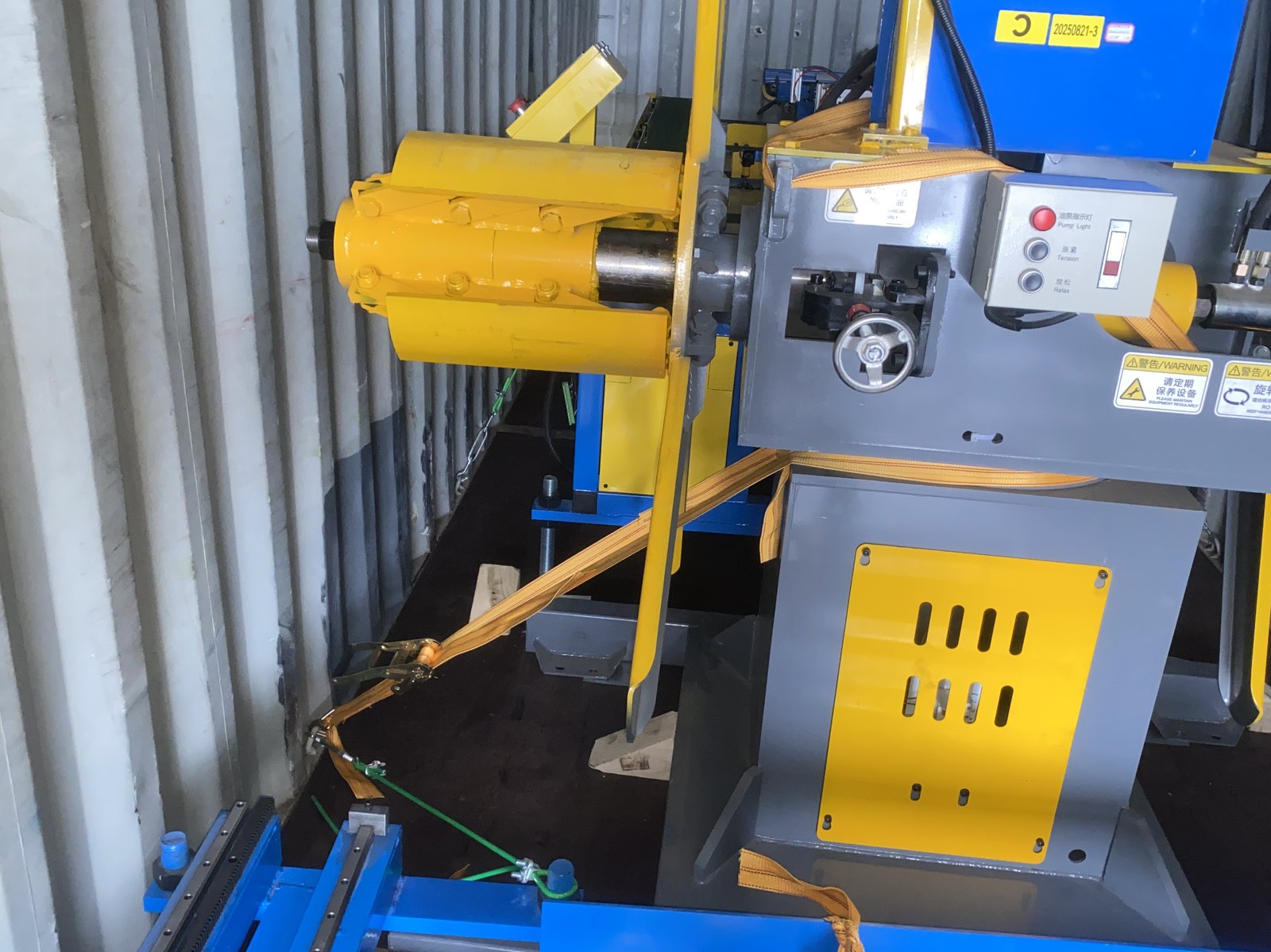
- Fastening and blocking inside the container so nothing shifts in heavy weather
- Edge protection where straps bear on painted or machined surfaces
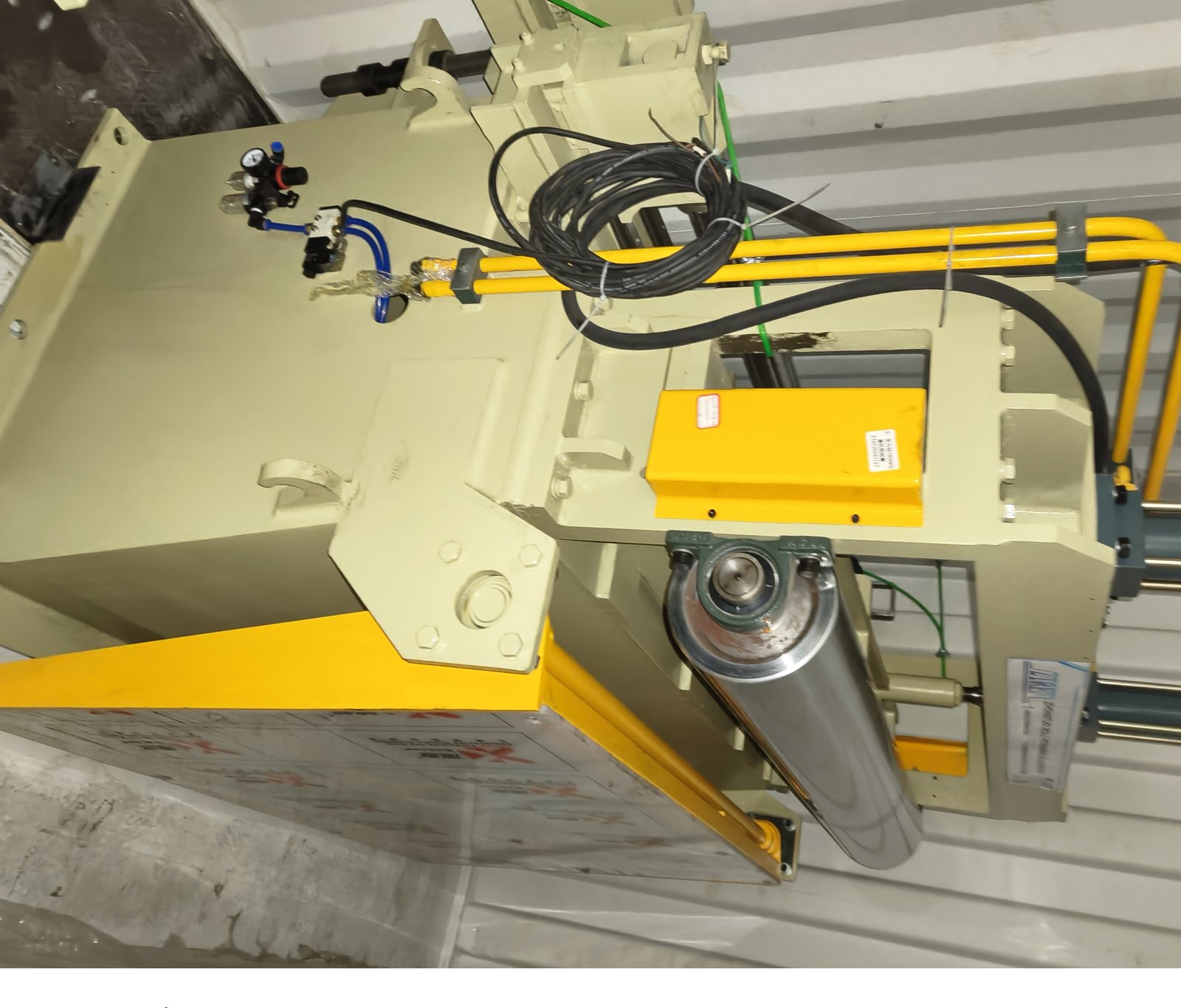
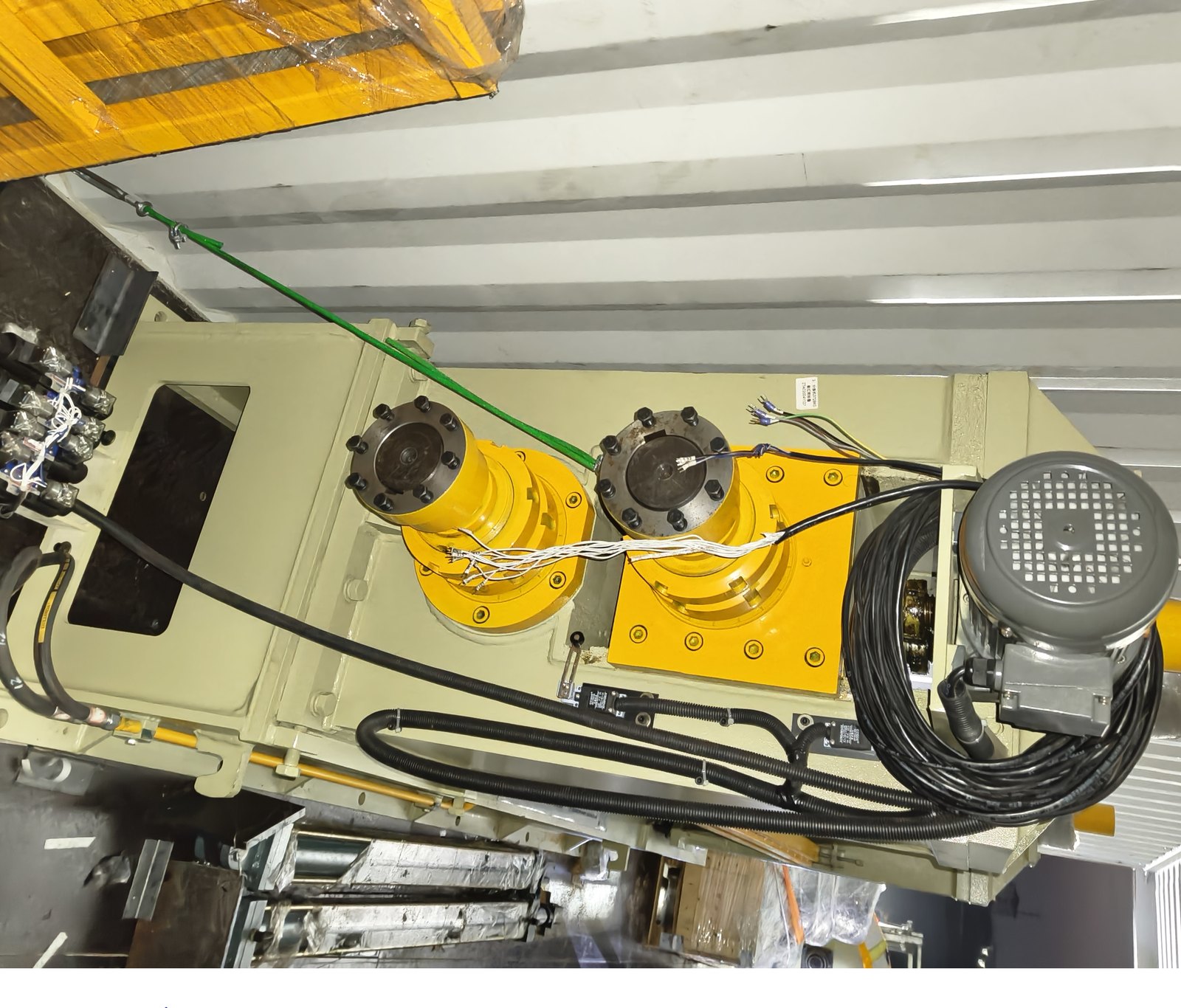
Ask for: photos of the machine during loading, not only after the doors are shut. A photo of the machine already inside a closed container proves nothing about how it was packed.
7. Container loading
Loading is the last chance to catch a problem, and it is worth having photographs of:
- The machine in position, before the container is closed
- How the units are separated and braced
- The container door seal or lock number
The seal number is what ties the shipped container to the shipment documents. Keep it.
What to ask your supplier for
If you are buying from a factory you have not visited, the following is a reasonable and standard request set:
- Dimension records with actual measured values
- A run test on your material, with video
- A legible photo of the nameplate and serial number
- A control system demonstration with the HMI visible
- Photos of the painted machine before packing
- Photos of the machine during loading, not after
- The container seal or lock number
None of these are unreasonable, and a factory that builds to specification will already have them.
Frequently asked questions
Should I hire a third-party inspection company? For a large line, yes — it is normal practice and most suppliers accept it. A third-party inspector is most useful at the run-test stage, when the machine is running and the HMI is live, rather than at the loading stage when everything is already wrapped.
What if the run test uses different material from mine? Say so before the test. The run test is the one point where the machine can be adjusted at no cost to you; after shipping, any adjustment is a service visit.
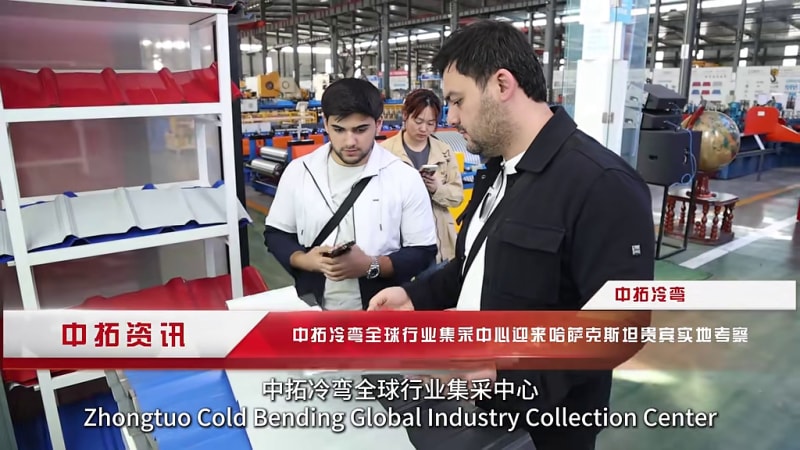
Can I visit the factory for the acceptance test? Yes, and it is worth doing on a large line. If you cannot travel, ask for a live video call during the run test rather than a recorded clip.
How long should the run test be? Long enough to show the machine holding tolerance, not just starting up. Ask for the tube or strip measured at the beginning, the middle and the end of the run.
What documents should ship with the machine? At minimum: the packing list, the machine manual, the electrical drawings, and the serial number record. For a tube mill, add the roll drawings and the roll identification list — without them, reordering a roll is guesswork.
*We build high-frequency welded pipe lines, stainless steel precision welded pipe lines and composite welded pipe lines to customer specification. Every machine is measured, run-tested and photographed before it is packed, and we are happy to walk a buyer through the records for their own machine.*
Related pages: what is High Frequency Welding Pipe Machine?, Zhongtuo Signs Ordering Agreement with Kazakhstan Customer, Zhongtuo high frequency steel pipe making machine and A welded steel pipe machine has finished.