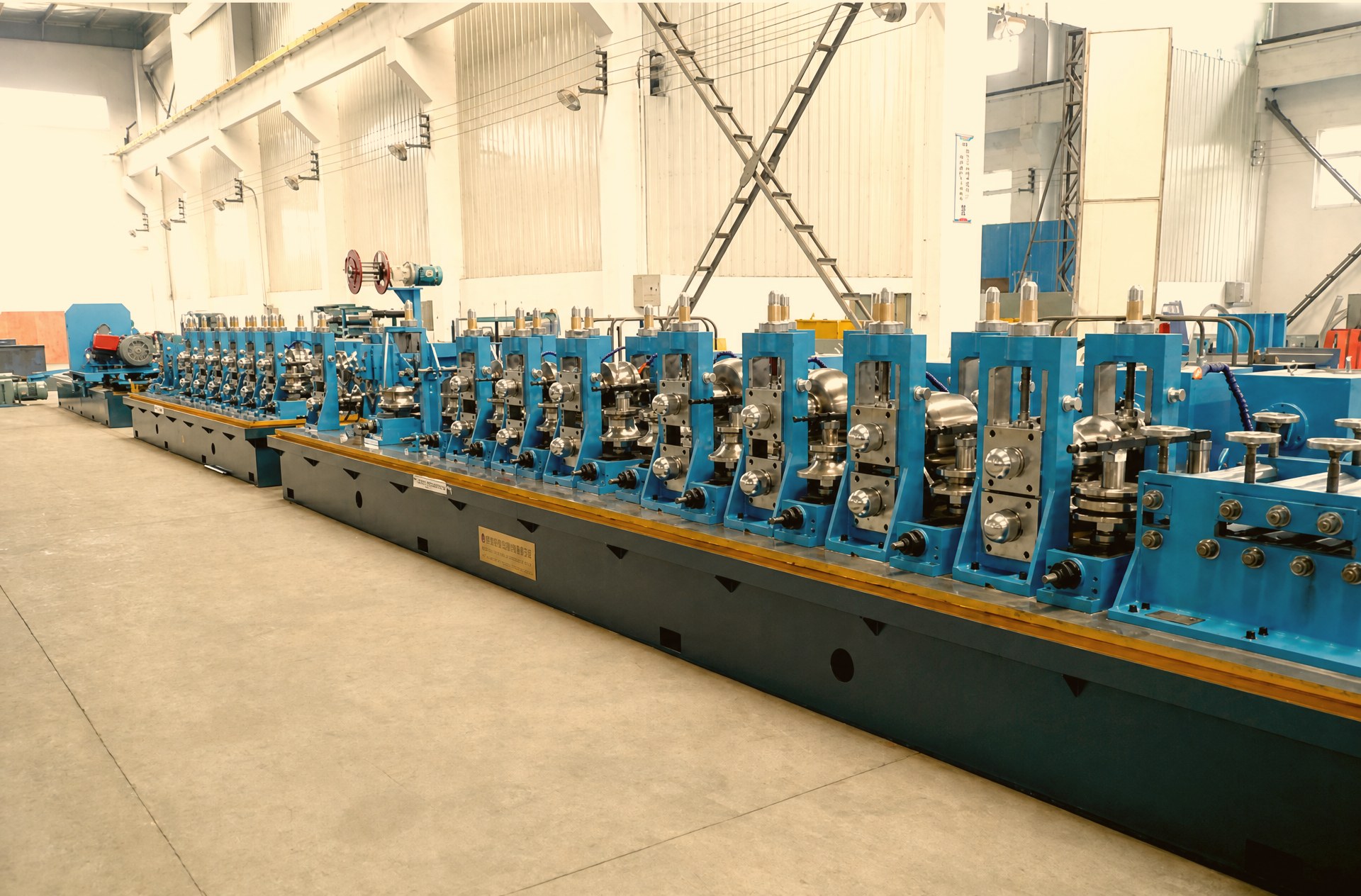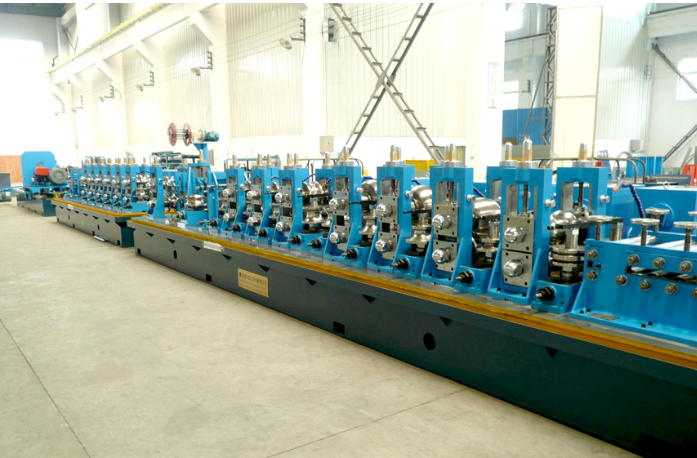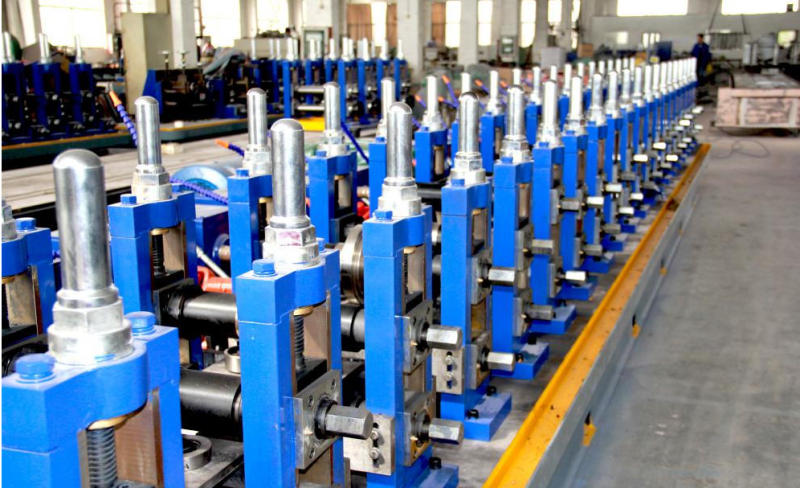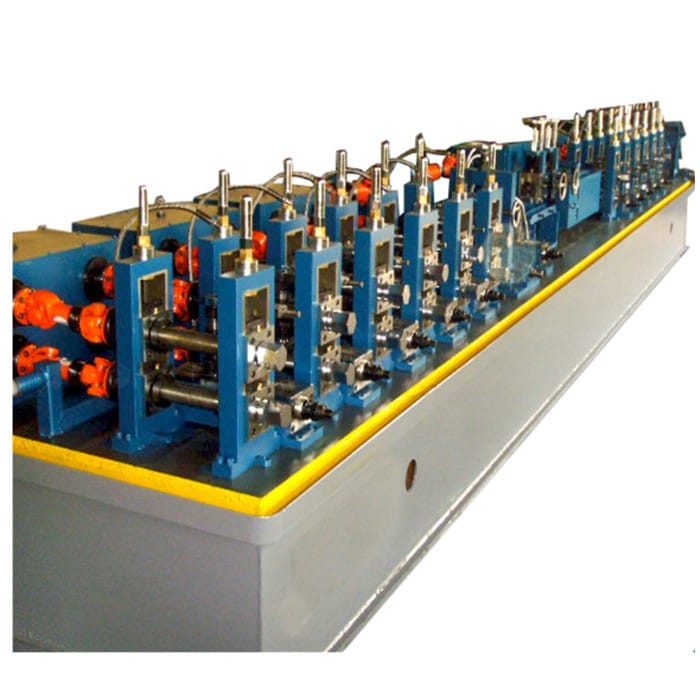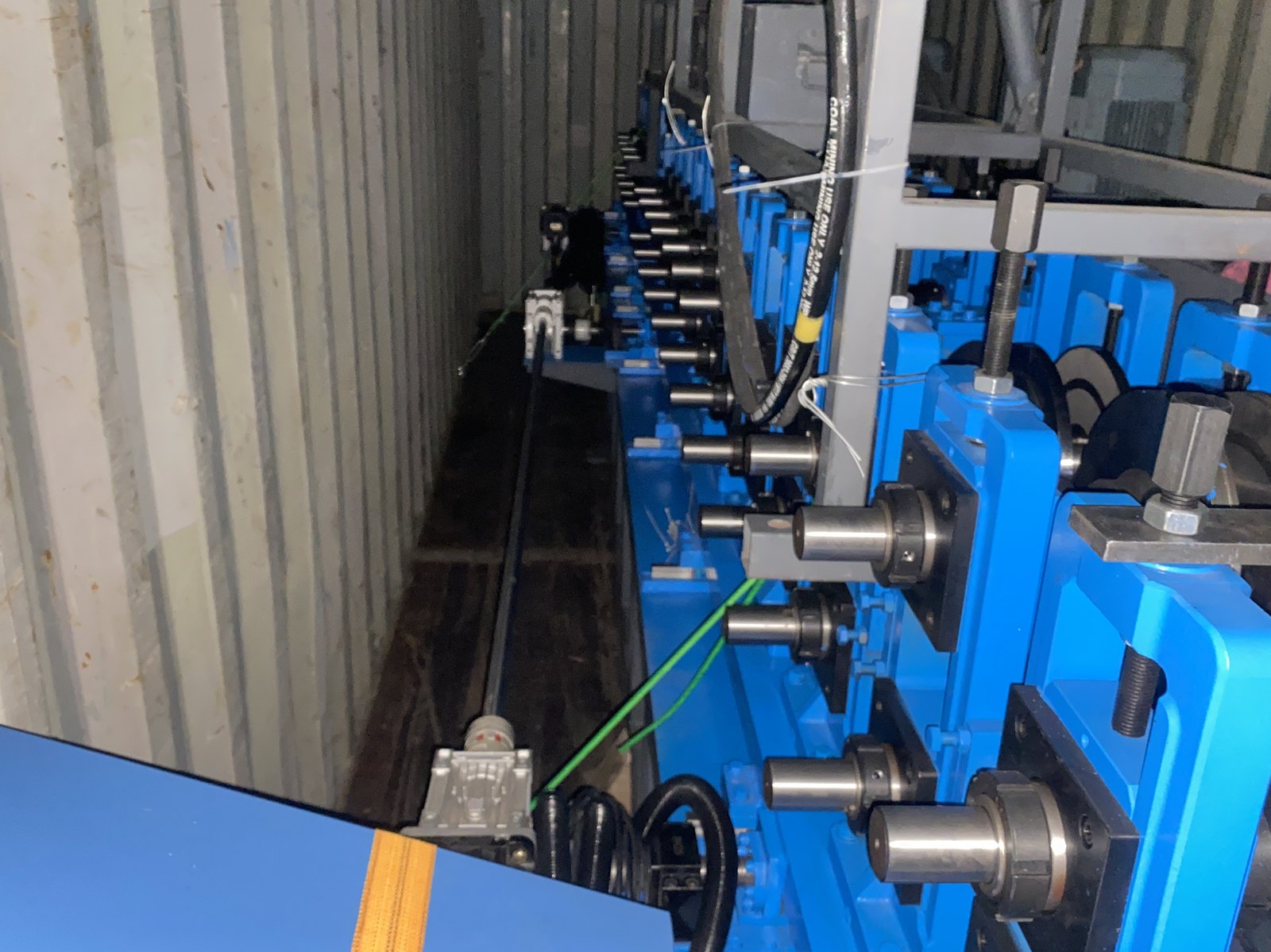
Main technical parameters
The GW series covers five sizes. Milling thickness ranges from 0.5~1.2 mm on the smallest model to 1.5~3.5 mm on the largest, and milling width from 50~150 mm up to 100~350 mm, at milling speeds of 5~15 to 5~25 m/min. Main motor power rises from 22 kW to 75 kW across the range, so the line is matched to the section you intend to run.
Model | GW150 | GW200 | GW250 | GW300 | GW350 |
|---|---|---|---|---|---|
Milling thickness(mm) | 0.5~1.2 | 0.8~1.5 | 1.0~2 | 1.2~2.5 | 1.5~3.5 |
Milling width(mm) | 50~150 | 50~200 | 50~250 | 100~300 | 100~350 |
Milling speed(m/min) | 5~25 | 5~25 | 5~20 | 5~20 | 5~15 |
Power of main motor(kw) | 22 | 30 | 37 | 45 | 75 |
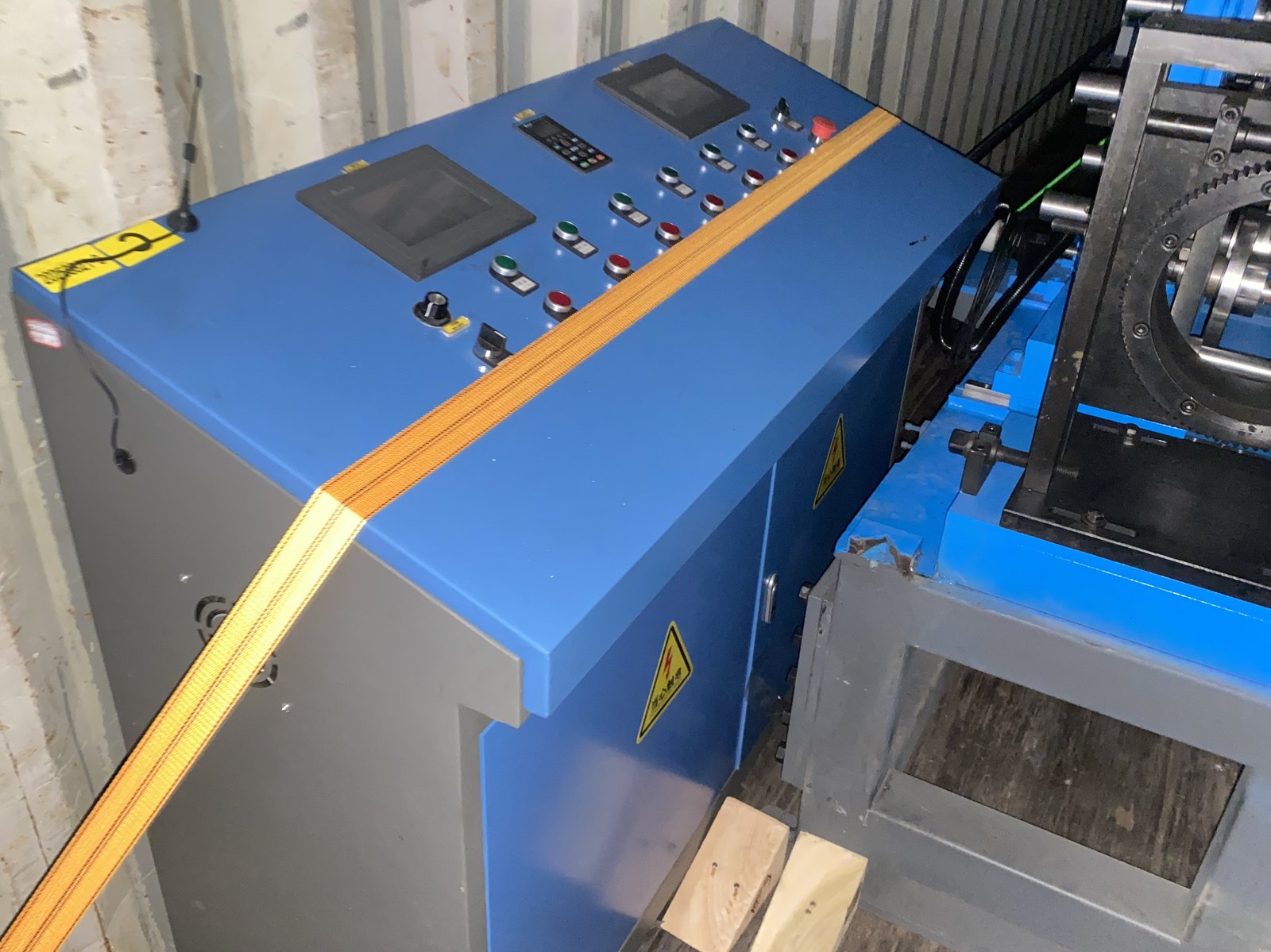
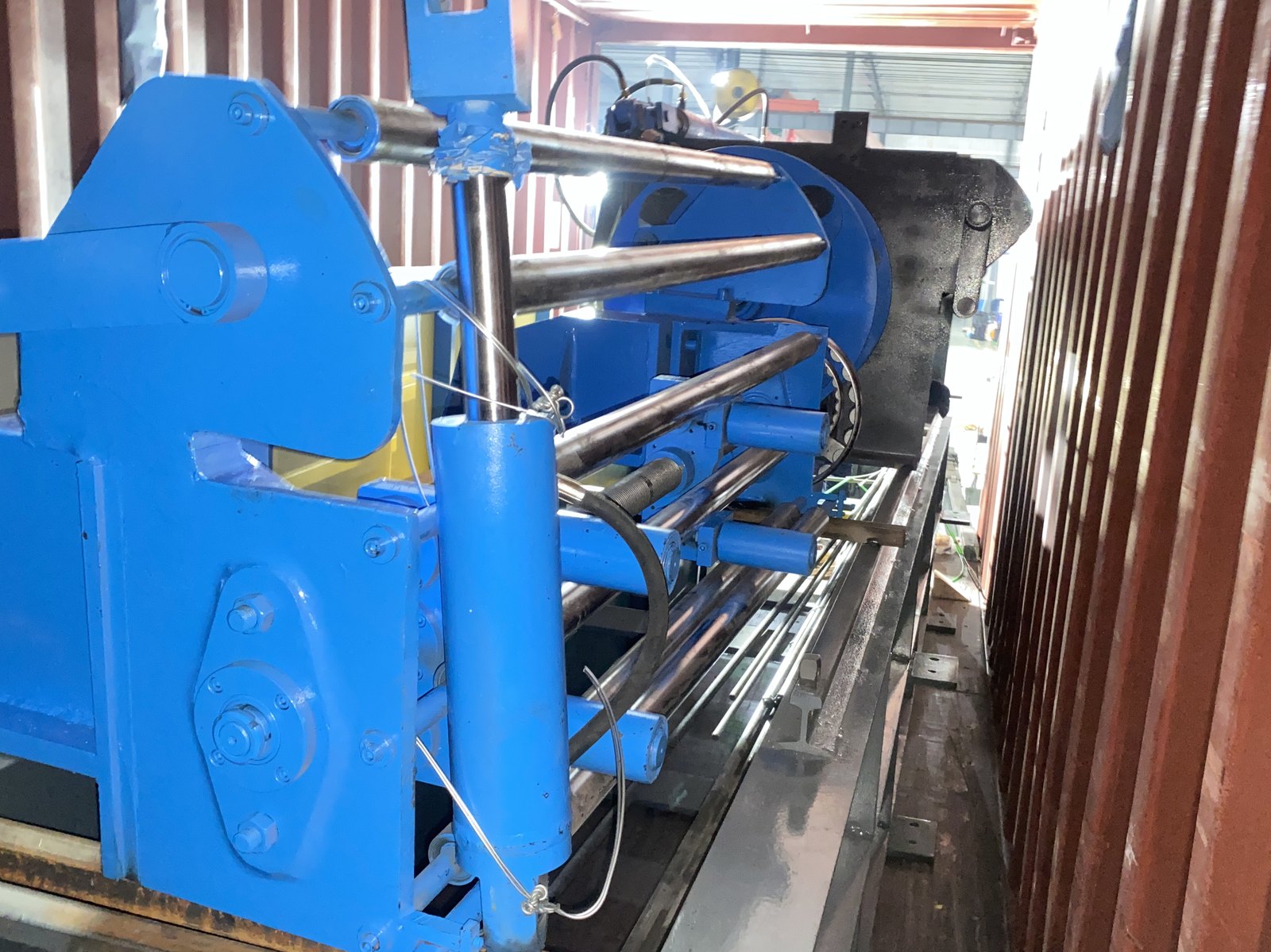
The line mills and forms the strip to the finished section in one pass, with the milling head set for the required thickness and width and the main motor sized to the section being run.
How to pick a GW model
Pick by the section you intend to run, because the model number follows the milling width: GW150 runs 50~150 mm and GW350 runs 100~350 mm. Thickness capacity rises with it, from 0.5~1.2 mm at GW150 to 1.5~3.5 mm at GW350, and the main motor from 22 kW to 75 kW. Milling speed moves the other way as the section grows, from 5~25 m/min on the smaller models down to 5~15 m/min at GW350.
Frequently asked questions
How many models are in the GW series?
Five: GW150, GW200, GW250, GW300 and GW350.
What thickness can the GW series run?
From 0.5~1.2 mm on GW150 up to 1.5~3.5 mm on GW350.
What milling width does each model cover?
GW150 and GW350 bracket the range: 50~150 mm at the small end and 100~350 mm at the large end. The three models between them fill the gap.
How much main motor power is needed?
22 kW on GW150, and 30, 37 and 45 kW on GW200 to GW300, up to 75 kW on GW350.
Does the line form the section in one pass?
Yes. The strip is milled and formed to the finished section in a single pass, with the milling head set for the required thickness and width and the main motor sized to the section being run.
What to send for a quotation
Because the line is matched to the section, these are needed before a model can be chosen:
- Section drawing or profile of the finished product
- Strip material and the thickness range to be run
- Milling width required
- Line speed required in m/min
- Coil width and coil inner diameter
- Power supply at your site, voltage and frequency
Related pages
Related pages: C purlin rollformer machine and Model 312 roof tile forming machine.