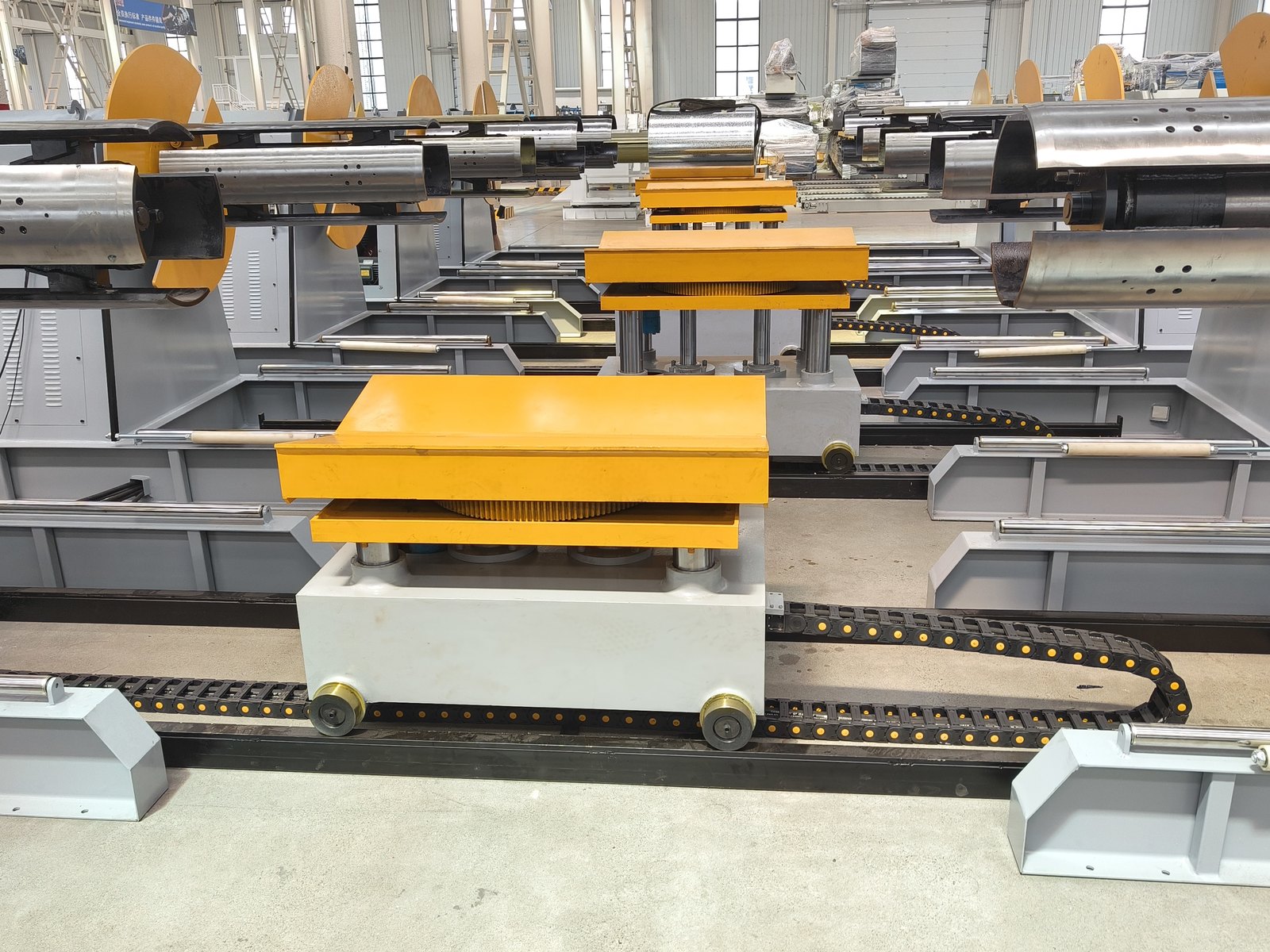
Hydraulic Decoiler with Loading Car — 7 t, 1250 mm Coil Width
A 7 t hydraulic decoiler with its own loading car: expanding mandrel from 450 mm to 610 mm, coil up to 1250 mm wide and 0.4-1.0 mm thick, working speed 0-40 m/min.
57posts
High-frequency welded pipe machines turn steel strip into round, square and rectangular tube. The strip is uncoiled, accumulated, roll-formed into shape, then joined by high-frequency induction or contact welding before sizing, straightening and cutting to length. This is the largest group on the site: the HF pipe welding lines and tube mills are listed here with their component breakdowns and specifications.
A 7 t hydraulic decoiler with its own loading car: expanding mandrel from 450 mm to 610 mm, coil up to 1250 mm wide and 0.4-1.0 mm thick, working speed 0-40 m/min.
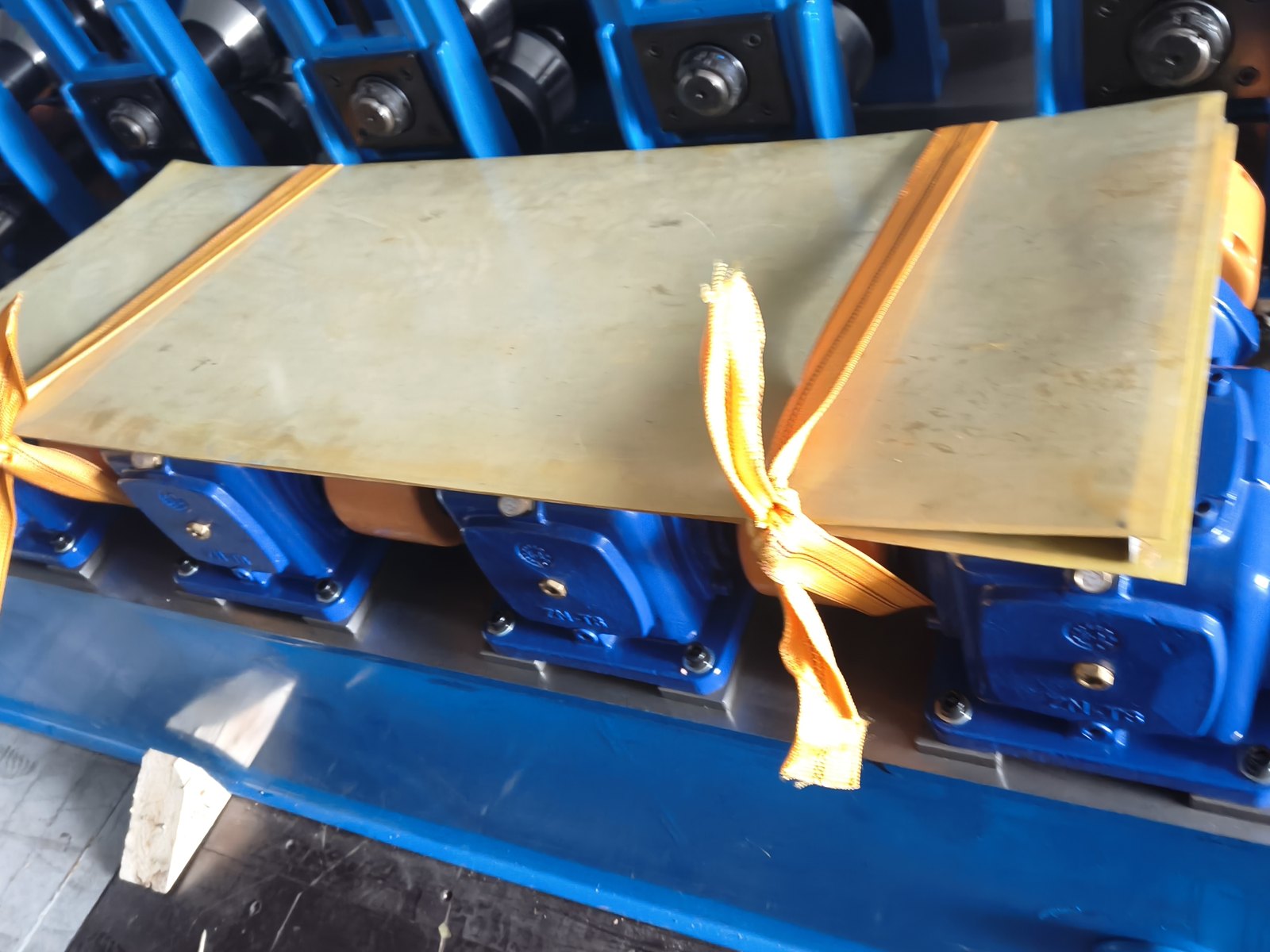
A welded tube line built for one section: 30 x 30 mm square tube in 2.0 mm material, with the holes punched online in the line rather than on a second machine.
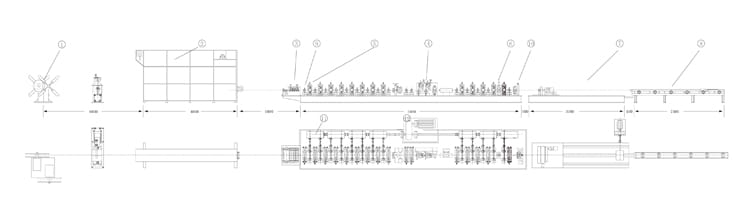
ZT series high frequency straight seam pipe making line: eight models covering 7-165 mm pipe and 0.3-5.0 mm wall at 15-100 m/min.
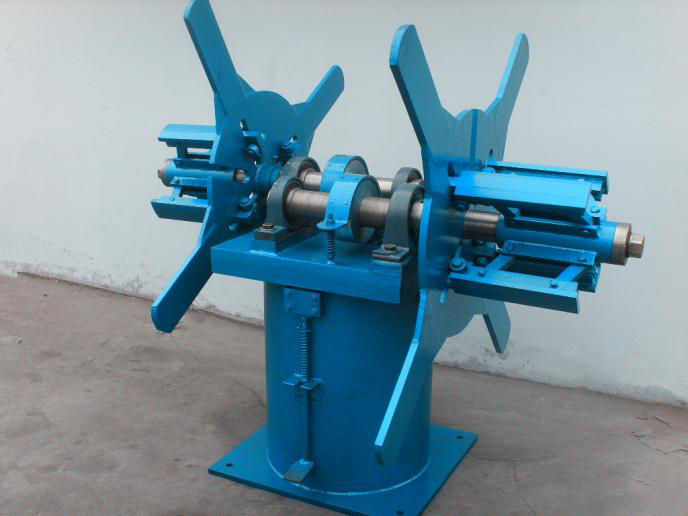
Operate: To put coil on the decoiler and then mandrel will expend by pneumatic system and fix the coil on the mandrel.
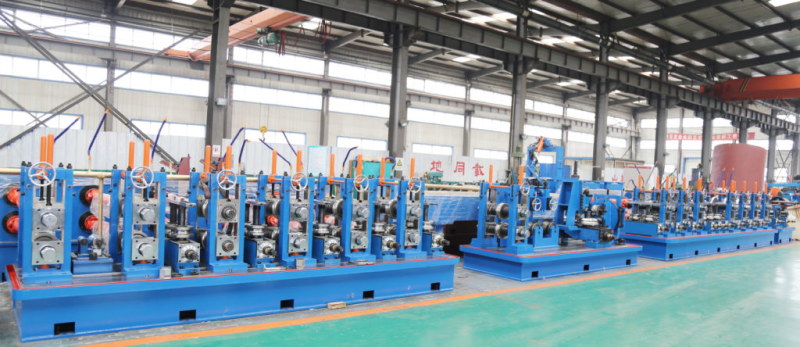
High frequency stainless steel pipe roll forming machine for round, square, rectangular and oval tube; the three stainless units on this site run at 3-7 m/min.
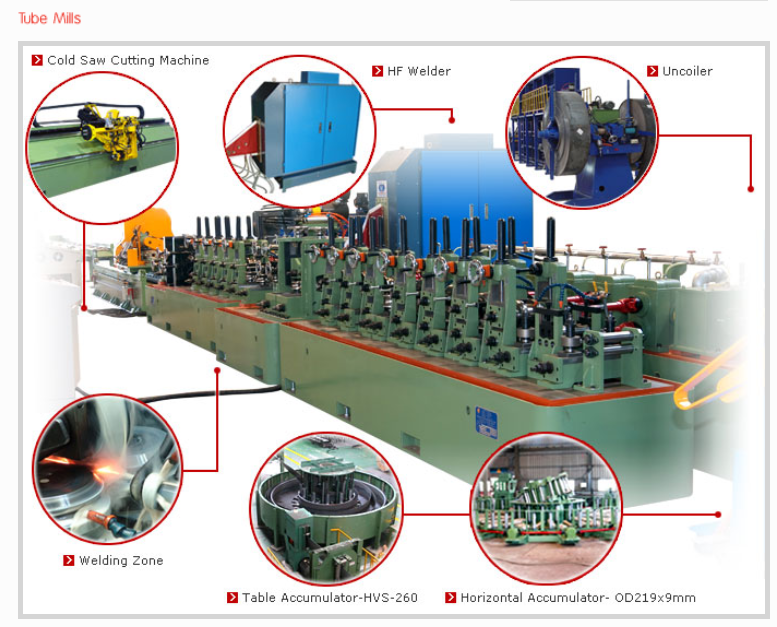
High frequency steel pipe making machine composes of a complete set of pipe forming machine, rotating capstan, decoiler, straightening machine.
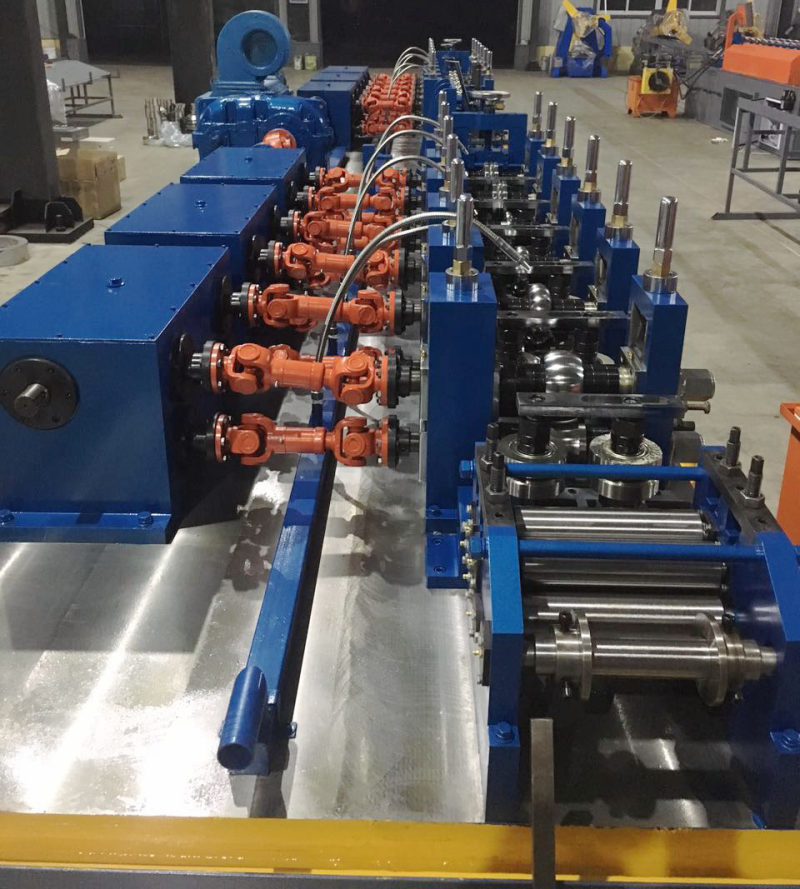
Now we have four types machines which are divided by wall thickness and diameter.
Features of the pipe line: two motors are automatically matched in speed, and gear box are adopted to enhance the torque force of transmission.
Stainless tube mills for 7-76 mm pipe ID and 0.3-1.5 mm wall: ZT-20C, ZT-30 and ZT-50, each published at 3-7 m/min, with the sealing and welding units that complete a stainless line.
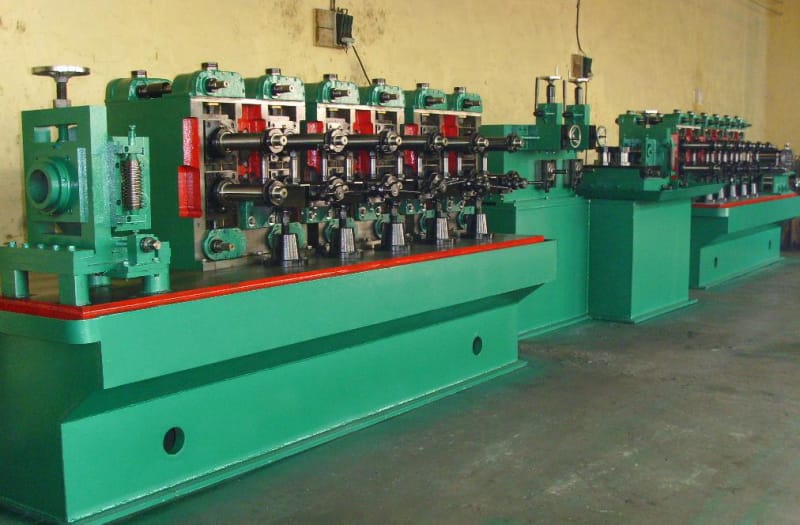
ZHONGTUO cold bending roll forming machinery factory is professional offering the high frequency welding pipe machines for making the round pipe.
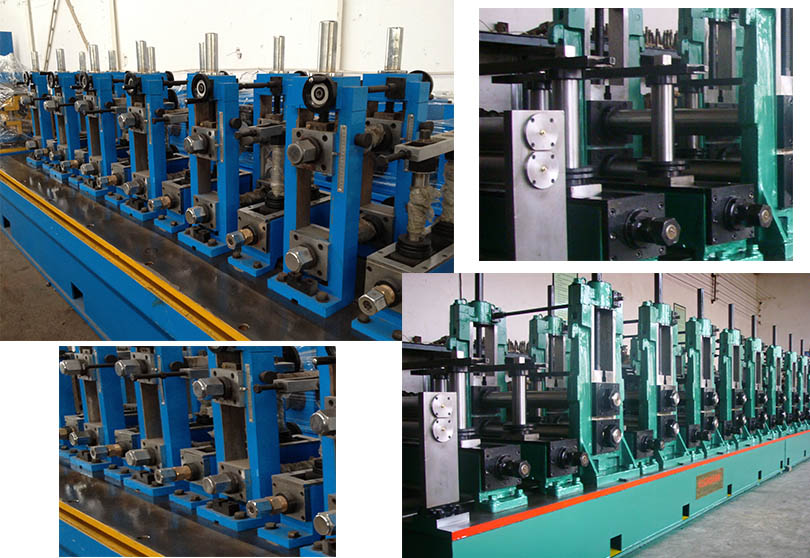
HG127 carbon pipe producer could be used to make pipes from diameter from 20-127mm within the wall thickness 1.0-4.0mm.
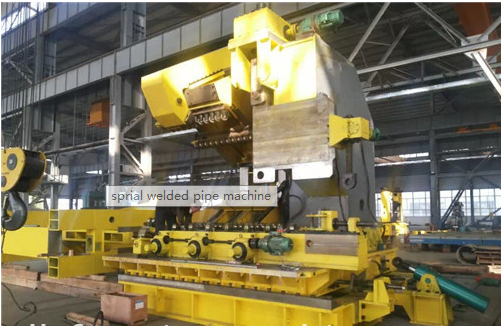
A spiral welded pipe machine makes large diameter pipe from coil: 160-3250 mm diameter, 2-10 mm wall, inner and outer welders, flying tracking cut-off car.
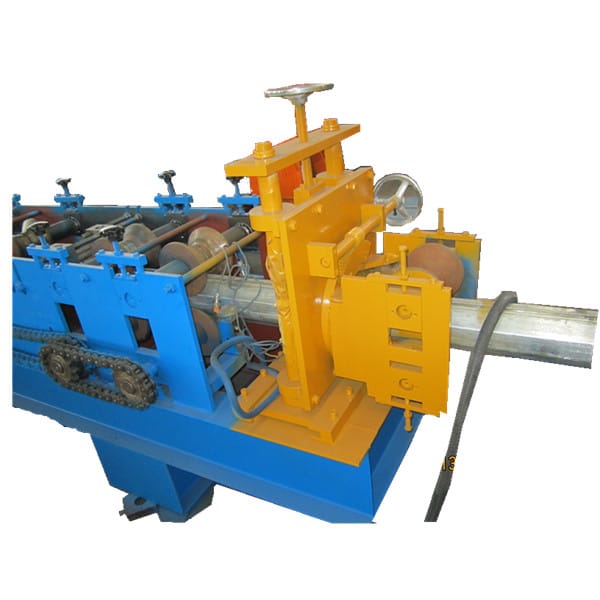
And the Octagonal Pipe is for roller shutters' tubular motor. Rolling shutter door & windows Octagonal tube.
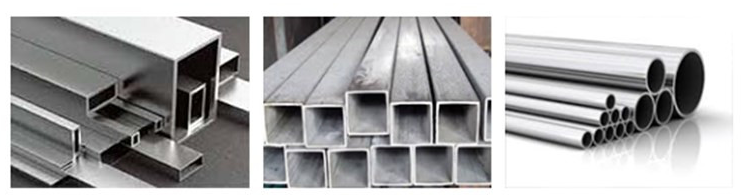
The tube rolling line is intended for manufacturing of round pipe of Φ16mm-Φ50mm with thickness of 0.5mm–2.5mm from cold-rolled and hot-rolled coil strip.
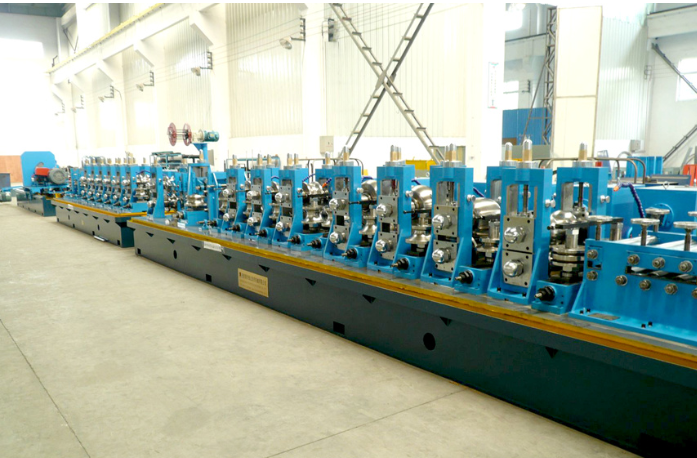
The mill is intended for manufacturing of round pipe of Φ76 mm-Φ168 mm with thickness of 2.0 mm–5.0 mm from cold-rolled and hot-rolled coil strip by means.
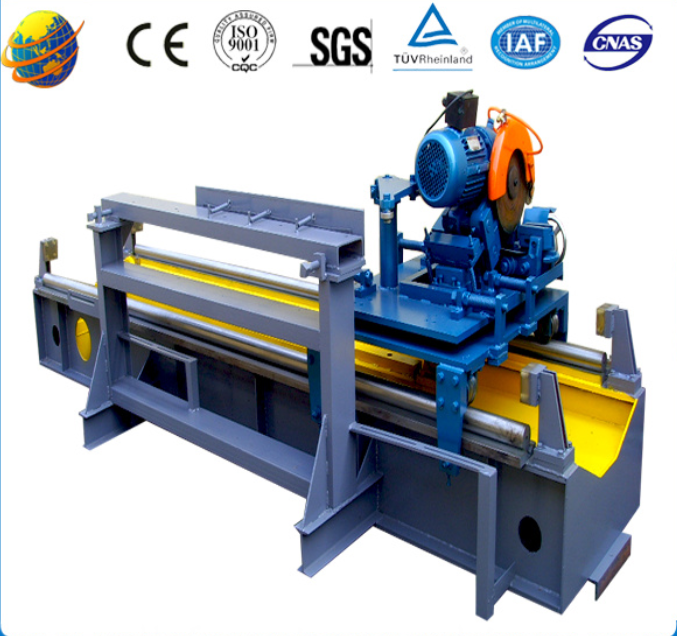
The mill is intended for manufacturing of round pipe of Φ38mm-Φ102mm with thickness of 1.0mm–5.0mm from cold-rolled and hot-rolled coil strip by means.
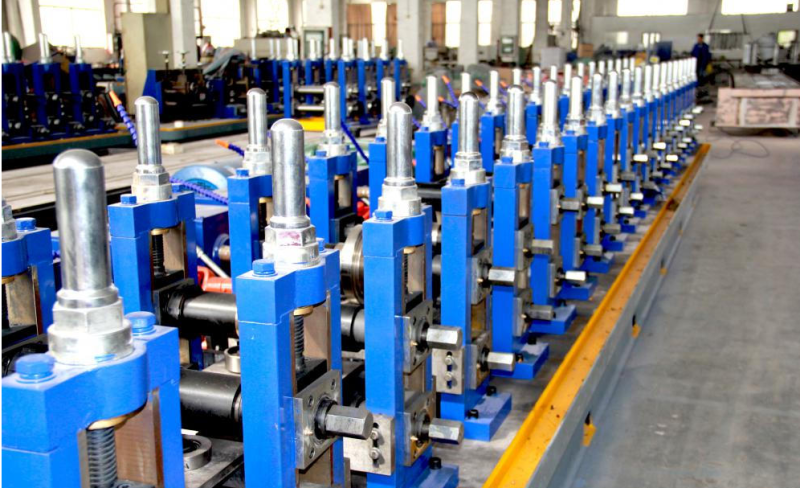
The mill is intended for manufacturing of round pipe of Φ20mm-Φ76mm with thickness of 1.0mm–3.5mm from cold-rolled and hot-rolled coil strip by means.
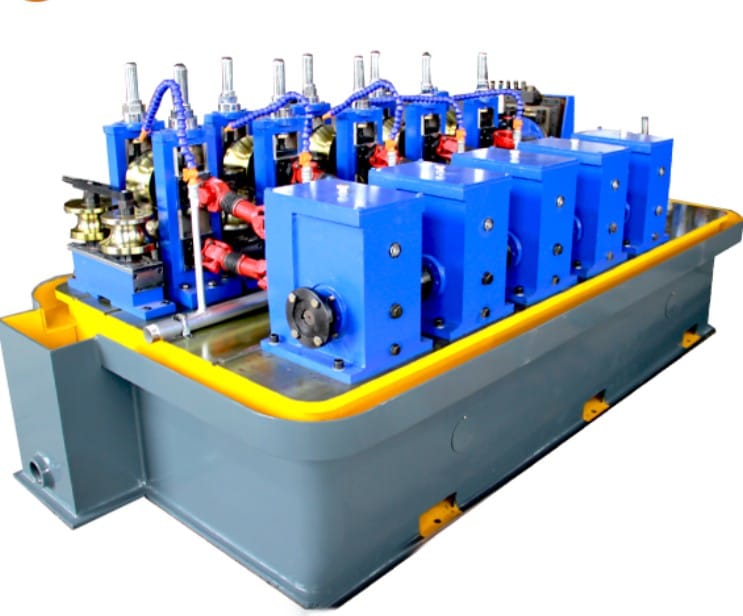
Zhongtuo steel pipe/carbon steel pipe processing equipment could be used to make steel pipe, carbon steel pipe by welding method.
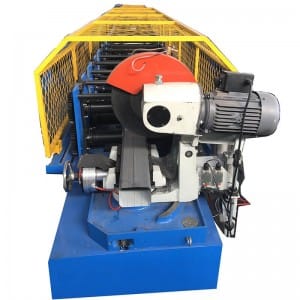
Zhongtuo downspout pipe making machine could be used to make downspout pipes in a higher speed and good quality by 16 years in this area.
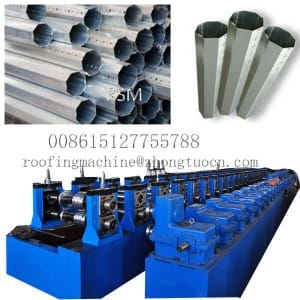
By the above Octagonal tube shape changing process, you can know how the tube is made from the strip.
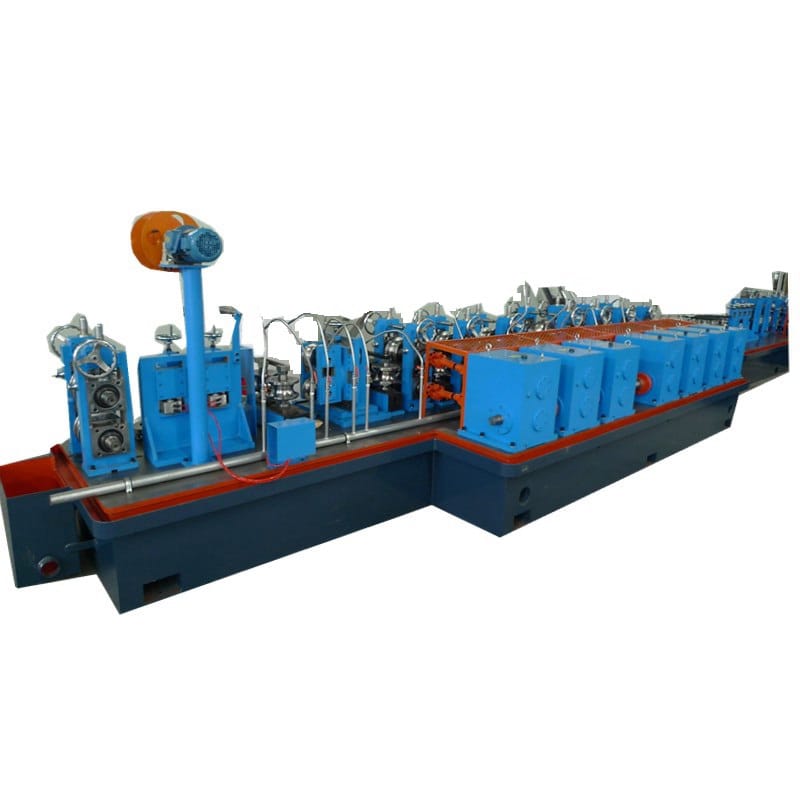
The machine is composed by the following elements: Double head uncoiler, hydraulic shearing and manual welding machine, Coiler feeder to accumulator.
Metal pipes made by rolling forming machine, normally has two type: welding pipes and interlocked pipe.
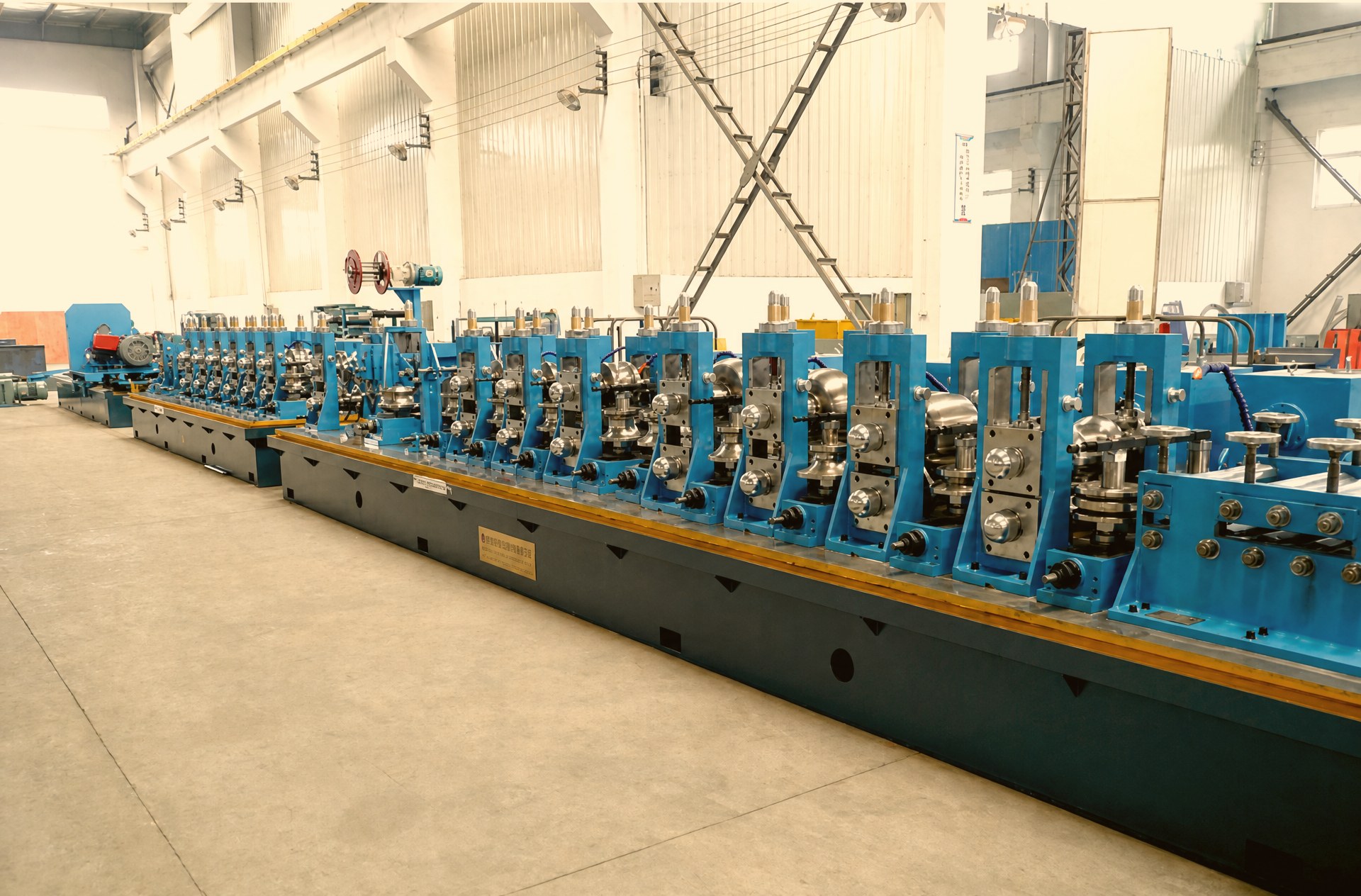
The mill is intended for manufacturing of round pipe of Φ20mm-Φ127mm with thickness of 1.5mm–5.0mm from cold-rolled and hot-rolled coil strip by means.
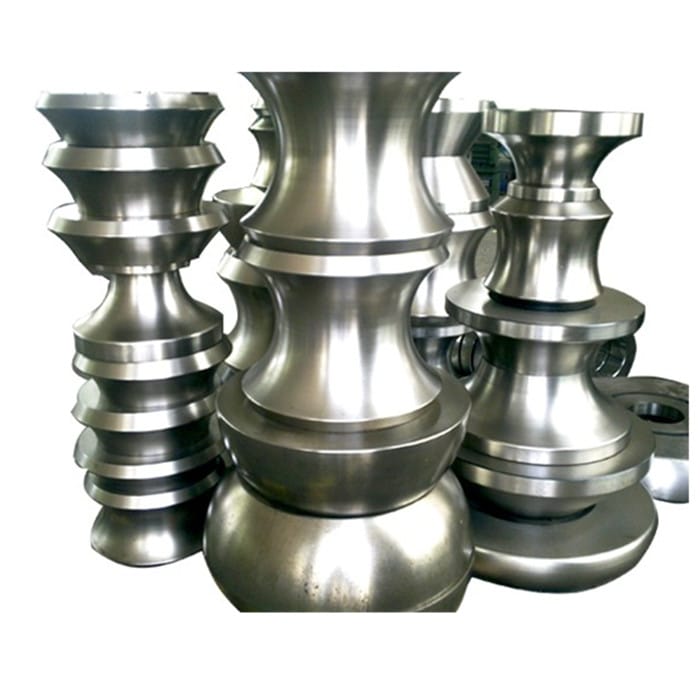
Welded steel pipe also called welded steel pipe, commonly they are made by steel or steel strip slitted by slitting line.
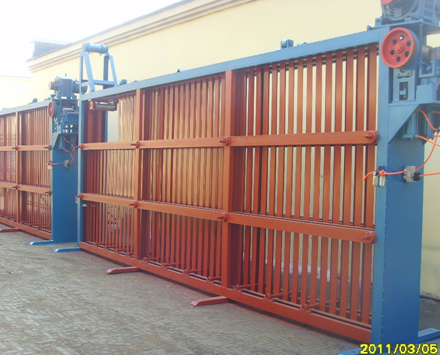
High frequency welding tube mill for square, round and oval pipe: one roll forming machine covers many sizes by changing moulds, with a 200 kW HF welder.
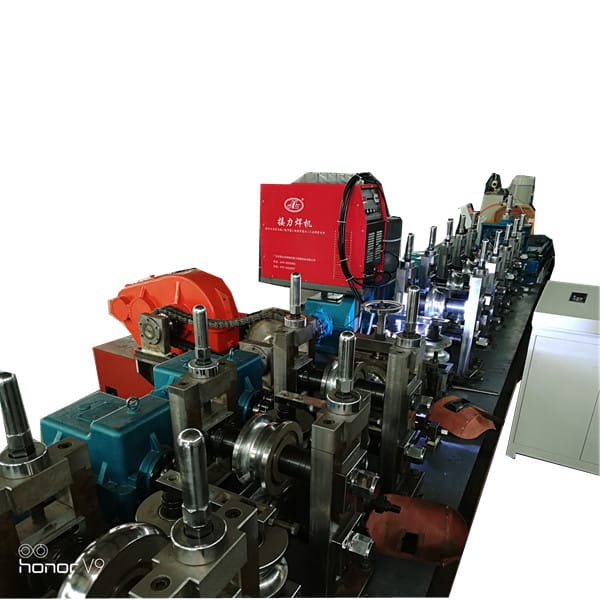
Argon arc welding is a welding technique that uses argon as a shielding gas. Also known as argon gas shielded welding.
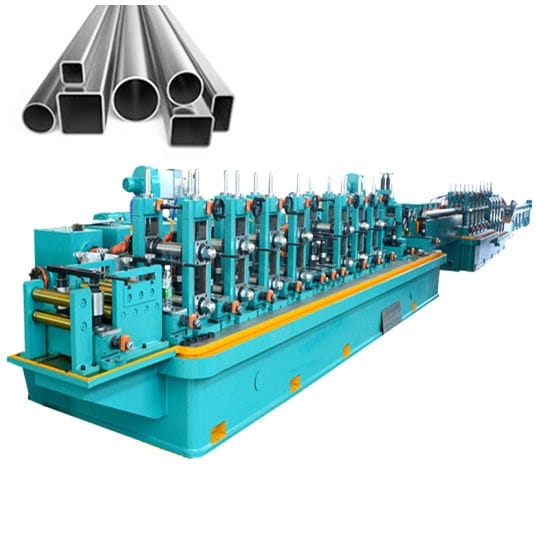
High Frequency Welding, known as Radio Frequency (RF) or Dielectric welding.
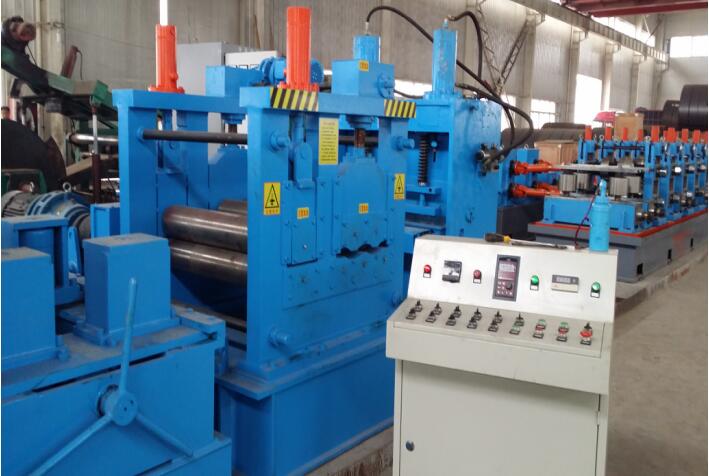
Tube making machine for multiple pipe sizes: round pipe diameter 38-127mm, 1.5-5.0mm wall, formed from cold-rolled and hot-rolled coil strip.
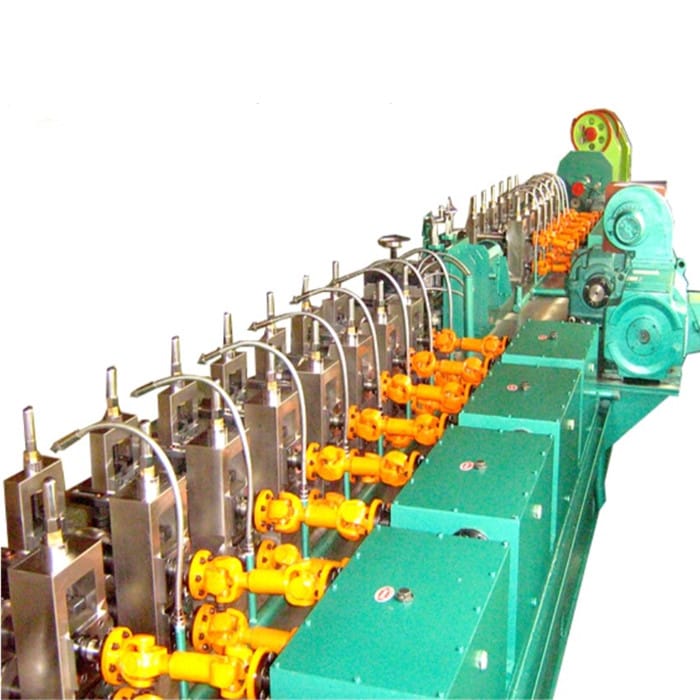
Automatic welded tube making machinery allows to do the production steel pipe, carbon steel pipe in batch fully automatically.
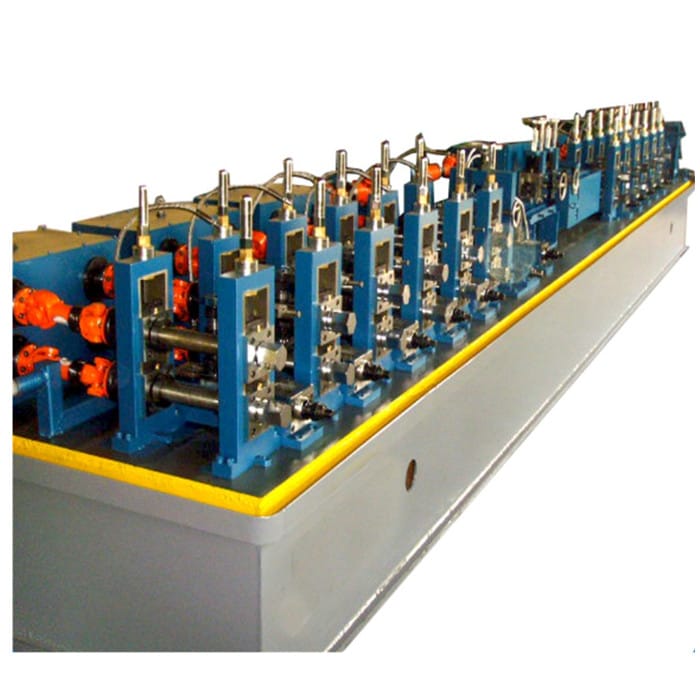
High frequency welded tube mill or welded pipe mill composes following elements like, single or double decoiler, leveling part machine, coil accumulator.
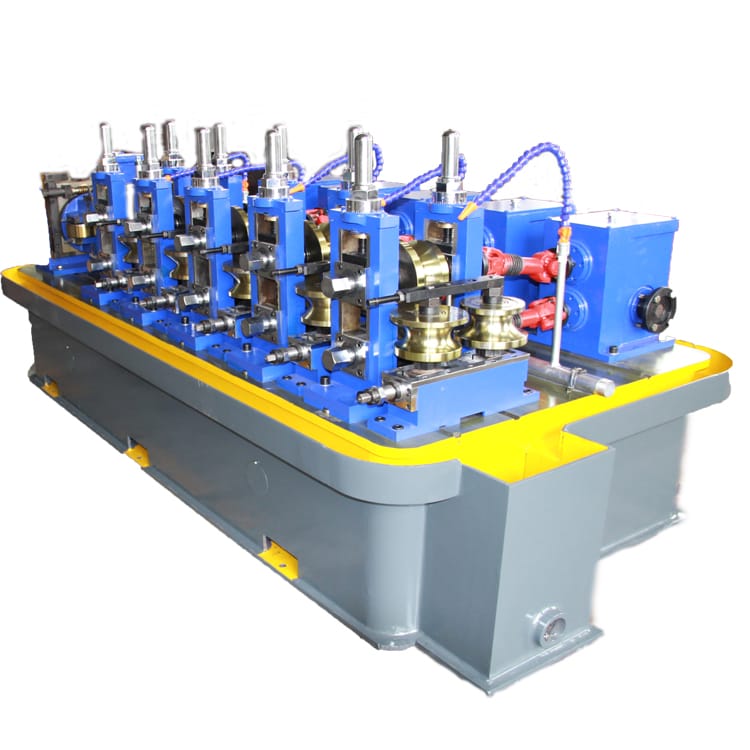
Fillet welded pipe roll forming machine: complete line with loading car, decoiler, unbender, two-roll coil feeder, cut-to-length machine and welding platform.
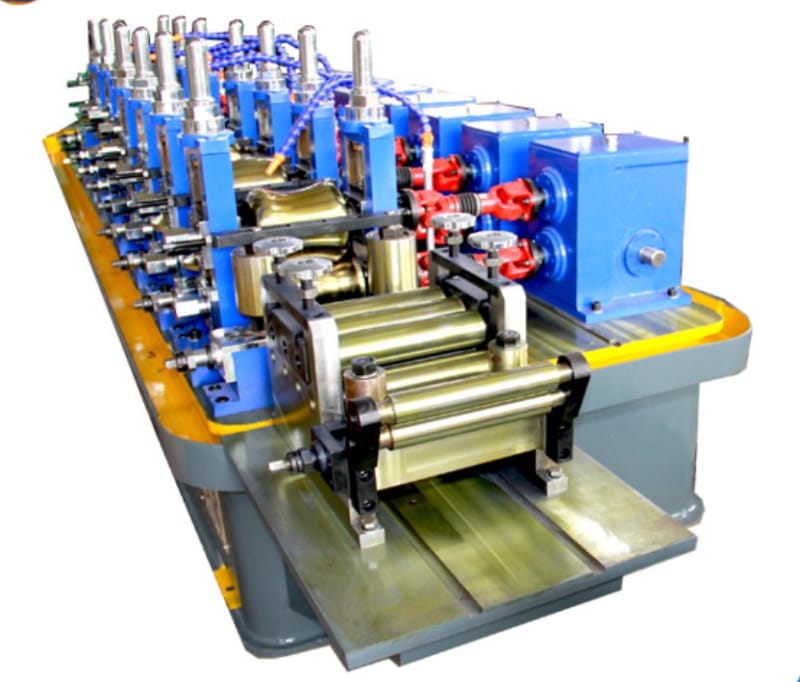
Our stainless welded pipe rolling former machine can produce many types of welded pipes, such as H32 H50 H76 H127.
The mill is intended for manufacturing of round pipe of Φ10mm-Φ89 mm with thickness of 0.4mm–6.0mm from cold-rolled and hot-rolled coil strip by means.
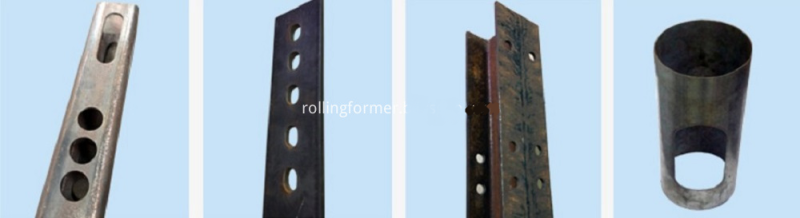
The Metal angle steel tube hole punching machine is a customized multicylinders punch machine.
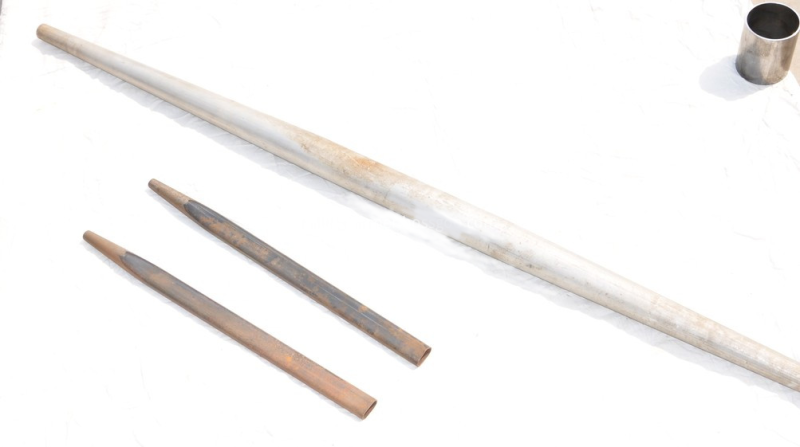
A pipe tapering machine forms a cone or taper on a steel tube end. ZSG50NCB is published for tube up to 50 x 2 mm, 300 mm forming length, 7-30 s cycle, 4 kW.
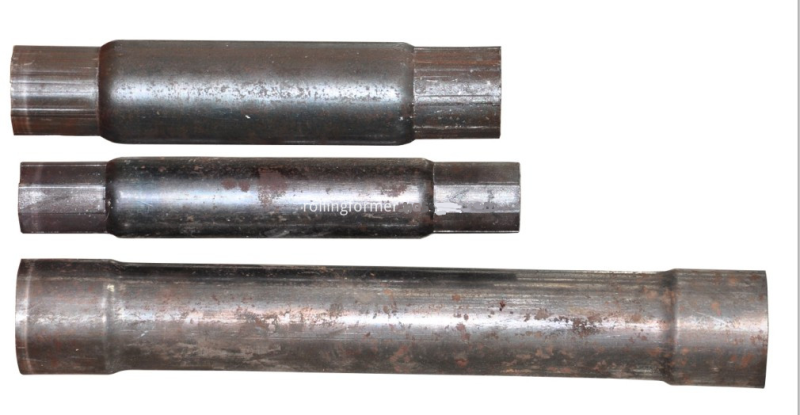
The C Type machines are designed for common end forming applications including tube expansion, tube tapering, reduction and slotting.
There are single head arc punching machine and double head arc notching machine of the single head arc punching machine Tube notching Machine.
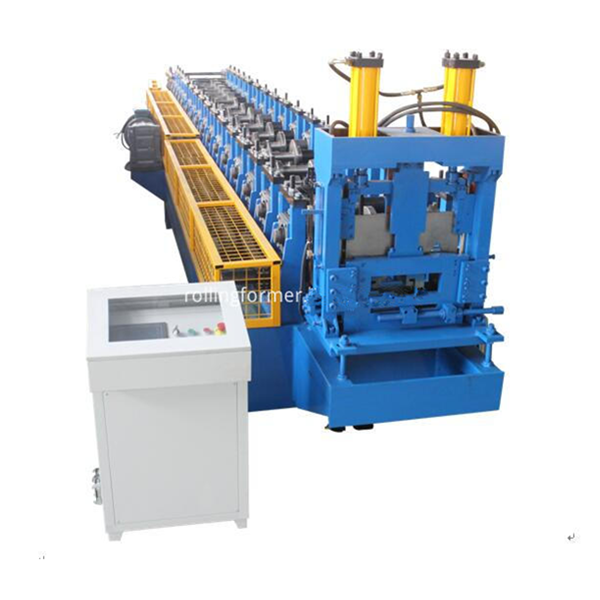
Yx15x40-80x100-300mm C purlin rollfomer machineis a line which can produce different sizes of C purlines by controlling the PLC.
ZT-25 high-frequency straight seam pipe-making line for pipe ID 8-32mm and wall 0.4-1.2mm at 30-100 m/min, with a 13-unit equipment list.
The ZT-50 covers pipe ID from 19mm-76mm, in wall thickness from 0.7mm-2.75mm, at line speeds of 30-100m/min.
ZT-28 high-frequency straight seam pipe-making line for pipe ID 10-50.8mm and wall 0.5-1.8mm at 30-100 m/min, with a 13-unit equipment list.
ZT-32 high-frequency straight seam pipe-making line for pipe ID 7-25mm and wall 0.3-1.0mm at 30-100 m/min, with a 13-unit equipment list.
The ZT-60 covers pipe ID from 25mm-80mm, in wall thickness from 1.0mm-3.25mm, at line speeds of 30m/min-100m/min.
The ZT-76 covers pipe ID from 30mm-90mm, in wall thickness from 1.0mm-4.0mm, at line speeds of 15m/min-70m/min.
The ZT-127 covers pipe ID from 32mm-127mm, in wall thickness from 1.5mm-4.0mm, at line speeds of 20m/min-70m/min.
The ZT-165 covers pipe ID from 50mm-165mm, in wall thickness from 2.0mm-5.0mm, at line speeds of 30m/min-50m/min.
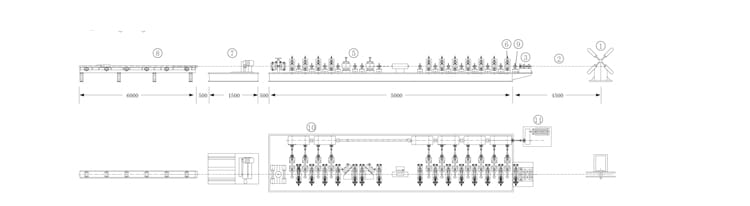
The ZT-20C covers pipe ID from 7mm-25mm, in wall thickness from 0.3mm-1.2mm, at line speeds of 3-7m/min.
The ZT-30 covers pipe ID from 13mm-30mm, in wall thickness from 0.4mm-1.5mm, at line speeds of 3m/min-7m/min.
The ZT-50 stainless covers pipe ID from 20mm-76mm, in wall thickness from 0.3mm-1.2mm, at line speeds of 3-7m/min.
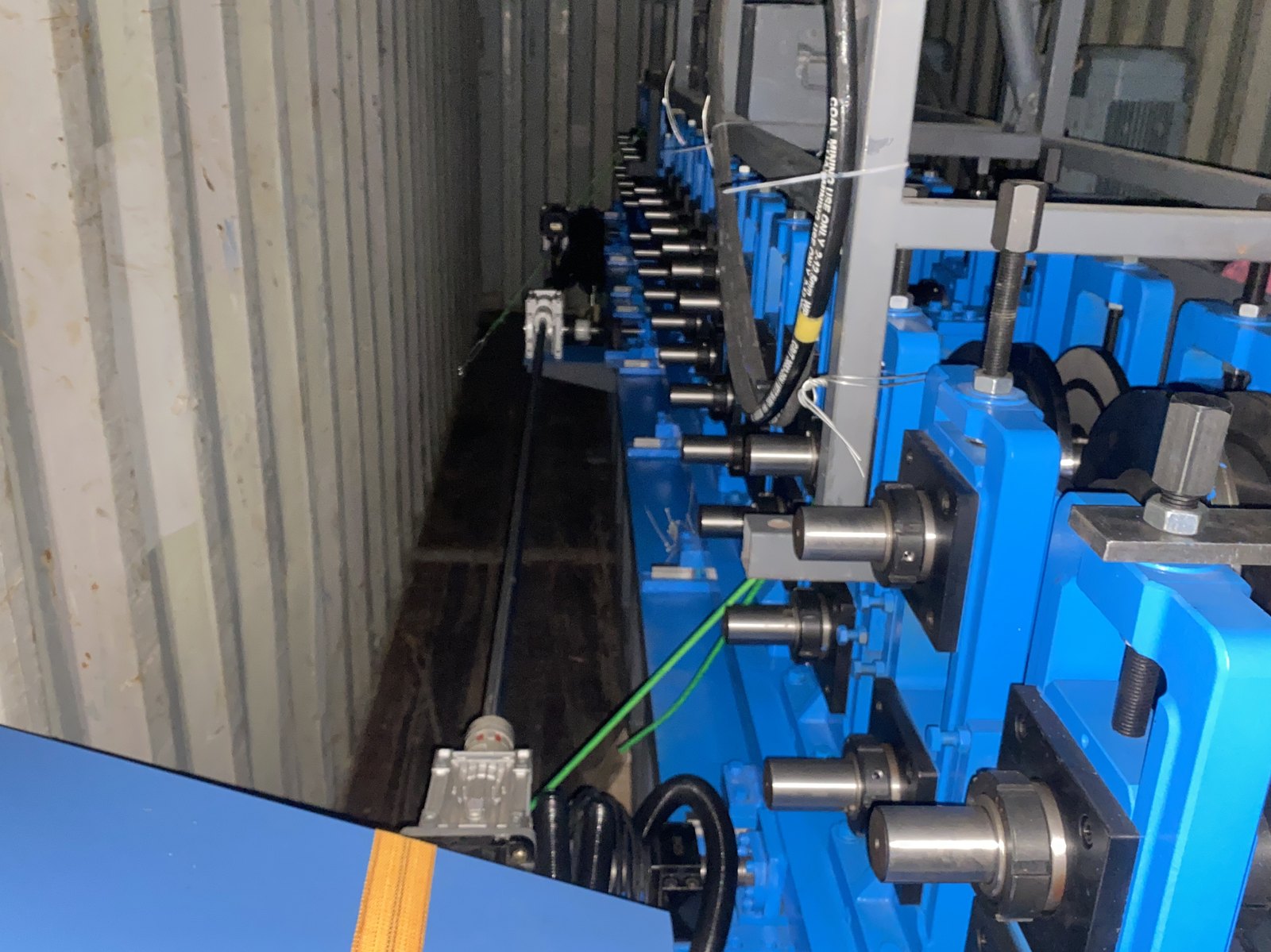
The GW series covers five sizes. Milling thickness ranges from 0.5~1.2 mm on the smallest model to 1.5~3.5 mm on the largest.
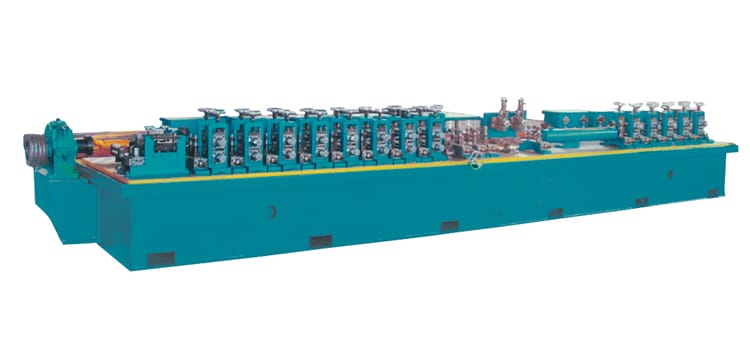
Wind the pipe in trolley with three-roller rolling device in the speed of pipe.
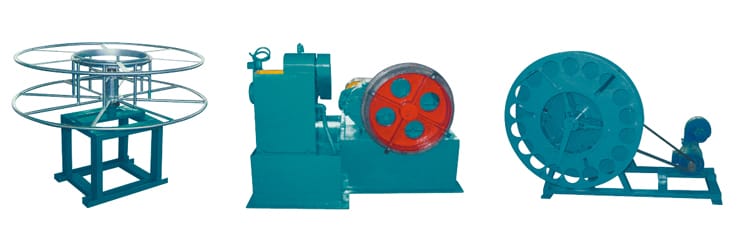
The drawing line reduces the diameter of welded pipe by pulling it through a die.
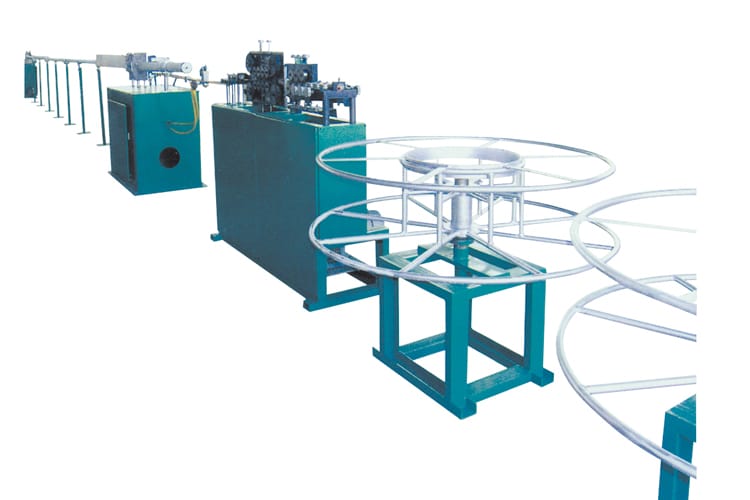
WZT Industrial frequency annealing production line. The line is delivered as 8 listed units.
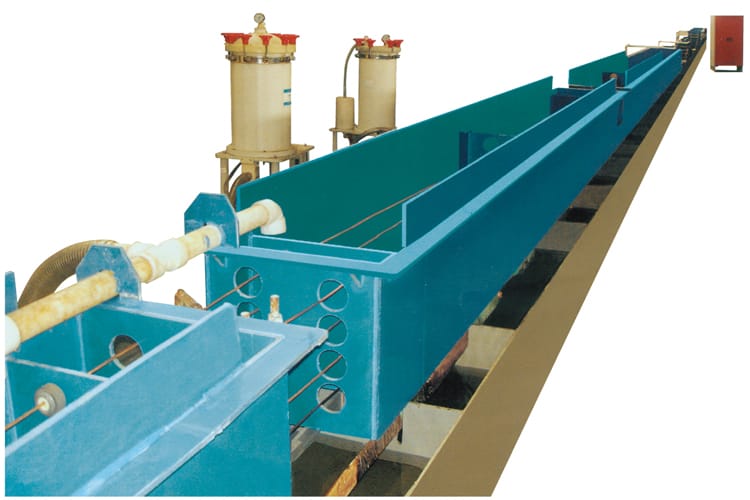
This line can contain 8 pipes(φ4~φ8) to coat zinc (copper) at the same time. Its design is advanced, reasonable, timesaving, cost saving, good usage effect.
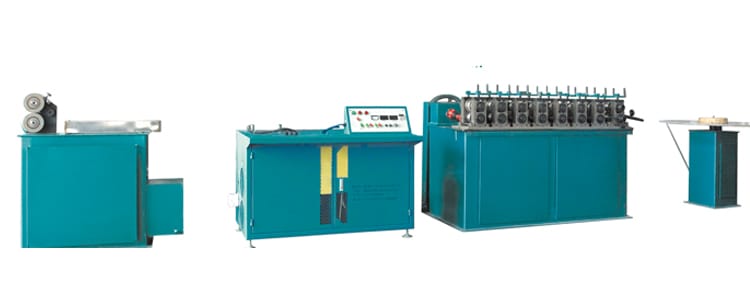
Double layers brazing steel pipe (Bundy pipe) equipment introduction.
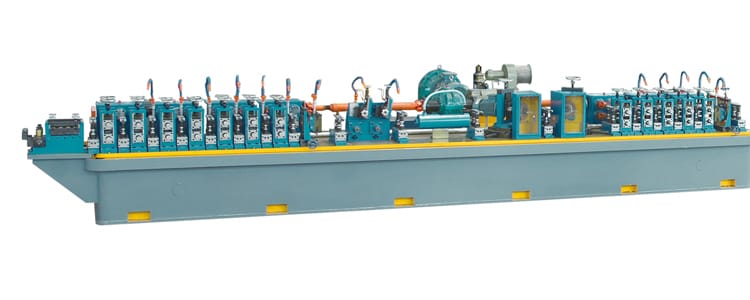
FG20/30 stainless steel cladding pipe mill line: FG20 runs 8-25.4mm tube with 0.3-0.5mm wall, FG30 runs 13-32mm with 0.4-0.8mm wall, both at 10-35 m/min.
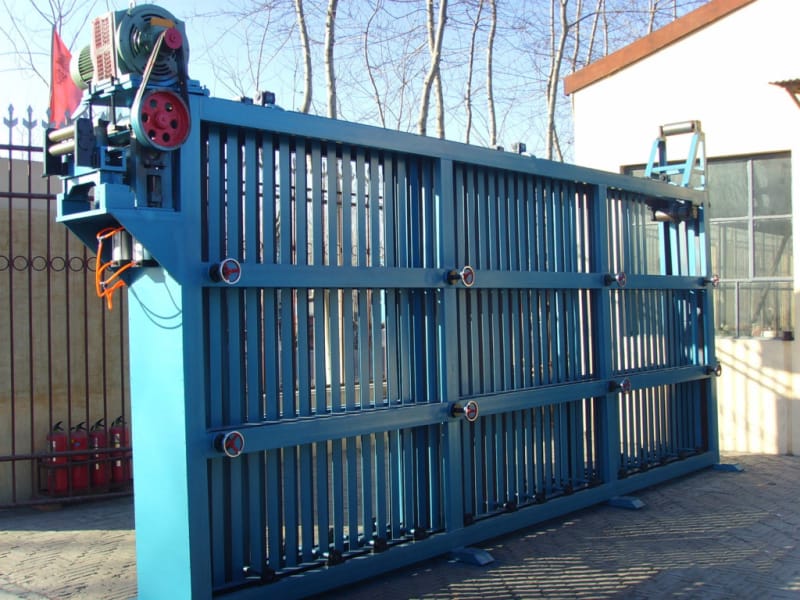
The storage unit holds a length of steel strip in a loop so the main machine can keep running while the ends of two coils are welded together.
It is a forge weld, not a fusion weld. The two strip edges are heated locally by high-frequency current and then pressed together by the squeeze rolls, so the joint is made from the parent metal with no filler. That is why the seam quality is decided by three things and almost nothing else: how much heat goes into the edges, how fast the strip travels, and how the edges meet.
It also explains a pattern that surprises new operators — the same setting that produces a clean seam at one wall thickness produces a burnt edge at a thinner one. Power has to follow the strip, not the other way round.
Three places, in order: seam defects that show up downstream, the cut-off cycle at short lengths, and coil changes. Seam defects are mostly power/speed/edge alignment, and the diagnosis table in our downloads section maps each fault to the setting that usually causes it. The cut-off caps a mill more often than the forming speed does, because return time is fixed while cut length is not.
Where the product is thin wall and surface finish matters more than tonnage — stainless, or tube that will be visible — laser welding is the alternative worth comparing rather than a faster HF line. The comparison is a separate sheet in the downloads section.