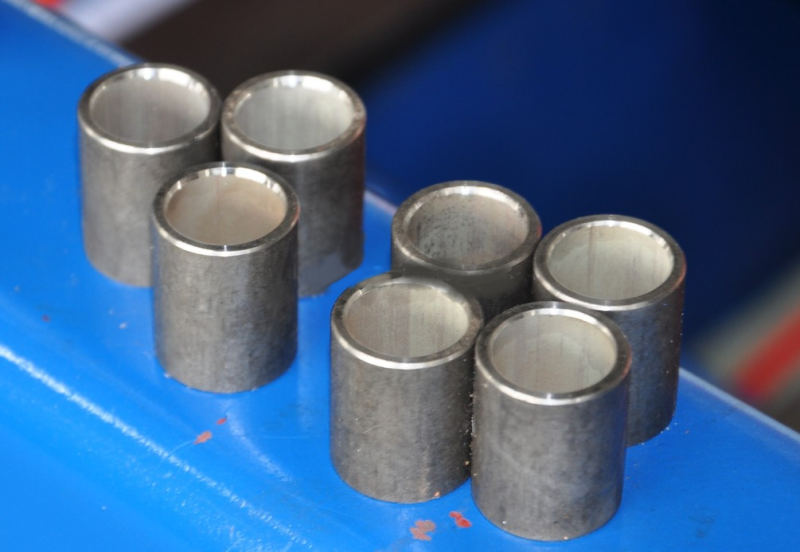
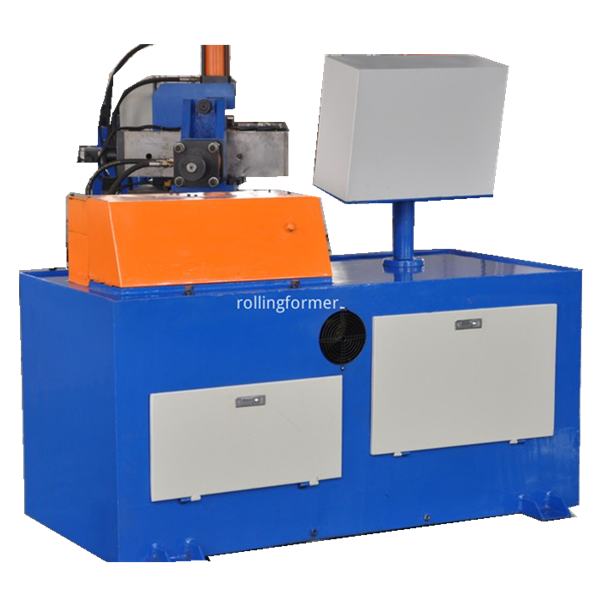
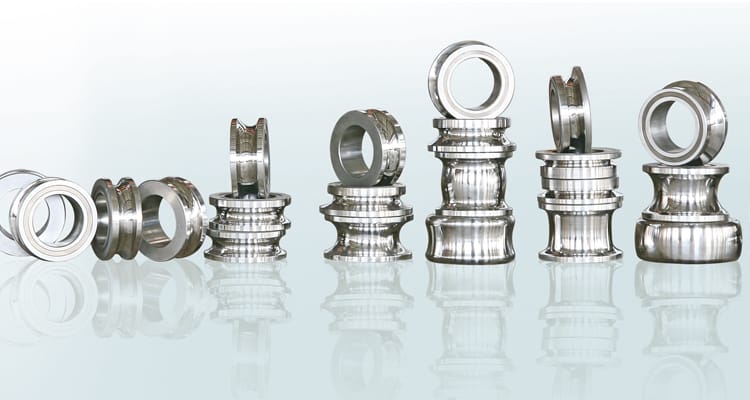
The rolls are the part of a welded pipe mill that actually shapes the tube. Strip passes through a series of roll passes — forming rolls first, then sizing rolls — and each pass bends the section a little further until the round is closed and brought to its final diameter and roundness. How well the tube comes out of the line, and how long the line holds tolerance, both depend on the roll profiles.
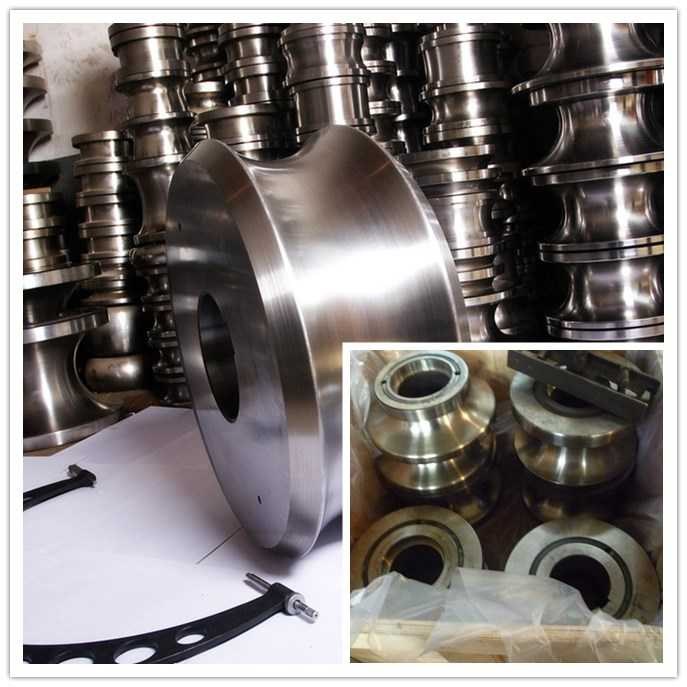
Material and manufacturing
We select high quality alloy materials for the moulds, sourced from large-scale steel works. For the design and processing of the moulds we use an advanced design approach and processing method, together with numerically controlled lathes and up-to-date heat treatment equipment. That combination is what holds the mould precision and gives the rolls their working life.
- Alloy material from large-scale steel works
- Design and profile developed for the mill and the tube size
- CNC machining of the roll profile
- Heat treatment after machining
- Final inspection of profile before dispatch
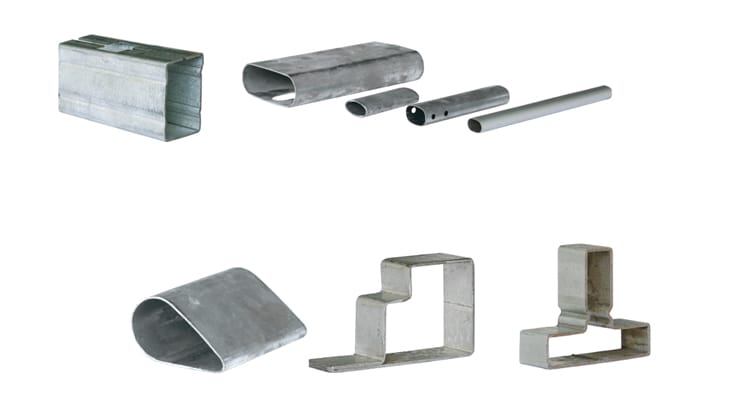
Why precision matters
A roll that is slightly out of profile does not fail loudly — it shows up as an out-of-round tube, a wandering seam or a size that drifts along the length of the coil. Because the roll passes work as a set, precision is only useful if it is consistent across every roll in the set. That is why the rolls are machined and heat treated as a matched set rather than individually.
Replacement rolls
Because each line is built to the drawings for your mill, we keep the tooling and forming specification on file. A replacement roll is therefore made to the same standard as the original rather than matched approximately from a sample.
What we need from you
To quote a roll set or a replacement roll, tell us the mill model, the tube size and wall thickness you run, the strip material and grade, and which roll stand the part belongs to. If you are replacing an existing roll, the roll drawing or a clear photograph of the roll and its stand is the fastest way to confirm the match.
Related pages: 30x30 mm punched square tube welding line.