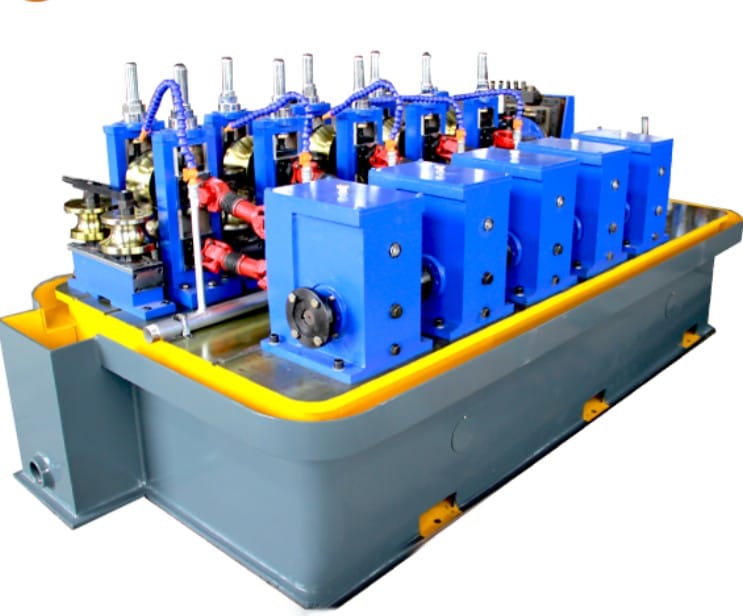
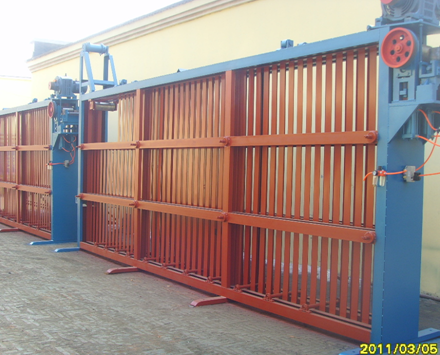
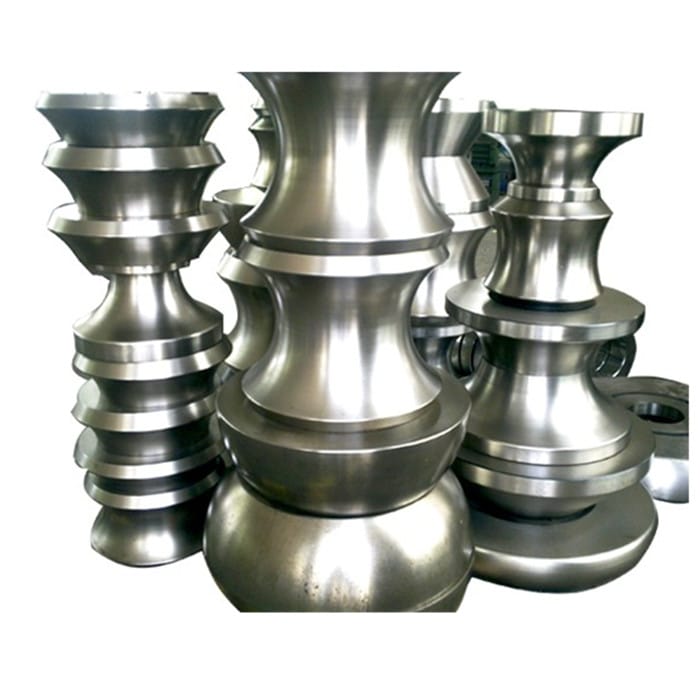
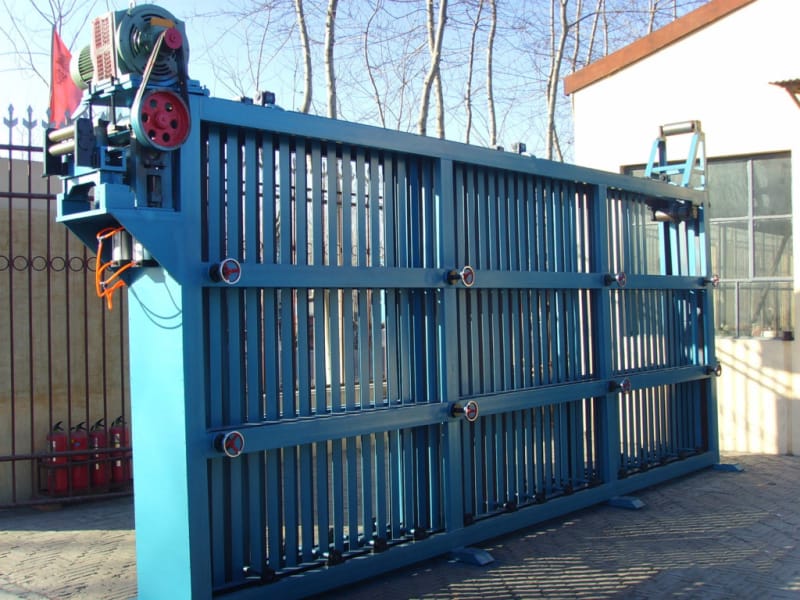
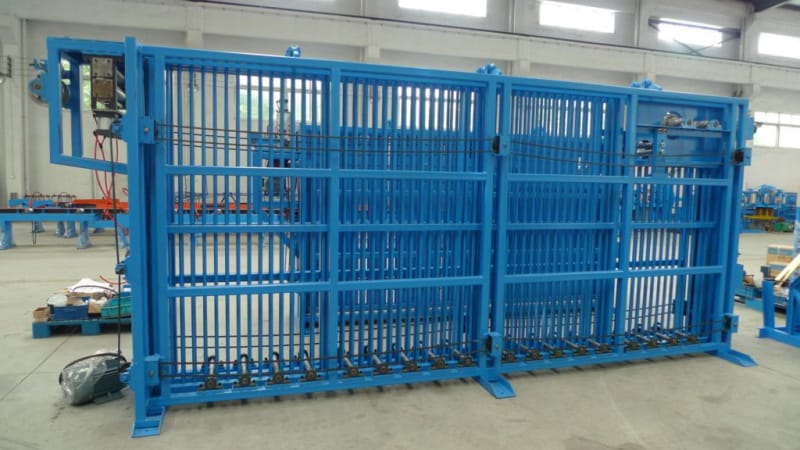
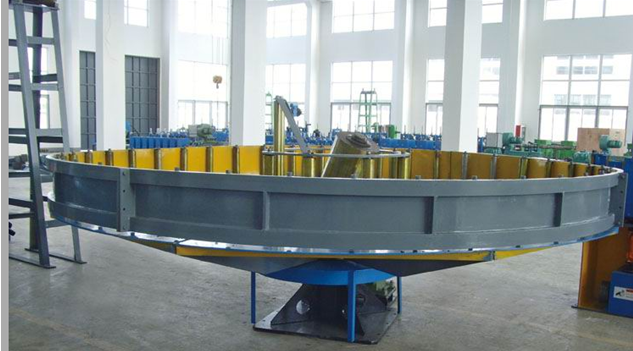
The storage unit holds a length of steel strip in a loop so the main machine can keep running while the ends of two coils are welded together. The mill's accumulator feeds the forming and welding section continuously, so production does not stop each time a coil runs out.
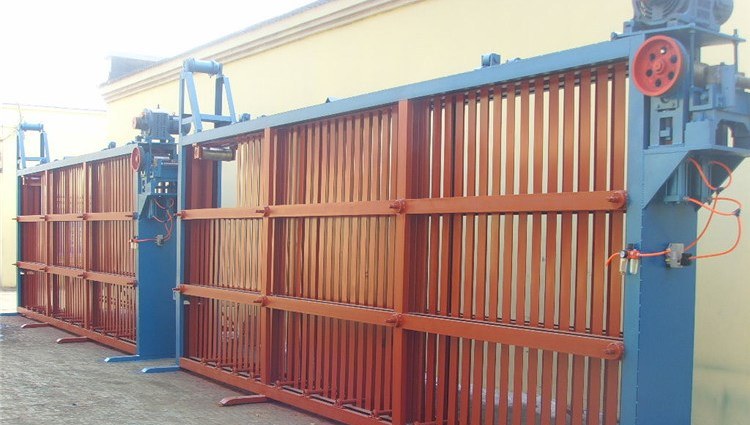
Why a tube mill needs one
A coil only lasts so long. When it runs out, the next coil has to be joined to it — sheared, aligned and end-welded — and that takes time. Without a buffer the forming, welding and sizing sections would have to stop and restart for every coil change, which costs output and shows up as variation in the finished tube. The accumulator stores enough strip to cover the jointing time, so the mill runs through the change.
Two models
Item | Model 1 — Cage loop | Model 2 — Horizontal spiral accumulator |
|---|---|---|
Feeding speed | 200 m/min | 200 m/min |
Pinch roll drive | 7.5 kW AC motor with gearbox | 22 kW AC speed-adjusting motor |
Pinch roll diameter | 150 mm | 150 mm |
Storage capacity | 300-400 m | 500-700 m |
Coil width | — | 78-320 mm |
Accumulation diameter | — | 4.5 m |
The cage loop stores the strip in a vertical cage and suits lines where floor space is limited and the required buffer is moderate. The horizontal spiral accumulator stores the strip in a horizontal spiral of 4.5 m diameter, holds roughly twice as much strip, and is the model to choose when you need a longer buffer or when you are running a wider coil range — up to 320 mm.
Choosing between them
Two numbers decide it: how much strip you need in store, and how wide your coil is. Storage is given in metres of strip, so the buffer time it buys depends on your line speed — at 200 m/min, 300-400 m covers roughly a minute and a half to two minutes of running, and 500-700 m covers around two and a half to three and a half minutes. Match that against how long your coil change actually takes.
What we need from you
Tell us the strip width and thickness, the line speed of your mill, the mill model, and how long the mill has to keep running while a coil is changed. With those we can confirm which model fits, or whether a larger accumulator is needed.
Related pages: Hydraulic Decoiler with Loading Car.